SCADpro
Five sponsored studios I ran like a consulting firm. The consultants were students. The clients were real.
SCADpro is SCAD's sponsored-studio program. A company brings a brief, budget, and deadline. Student teams answer it like a consultancy. I led five engagements. My job was the one a principal holds: shape the brief, build the team, run research, direct the work, present at the end.
Each studio ran ten weeks: a kickoff to align on the question, weekly working sessions, a client check-in, a midpoint review, and a final pitch to people paying for the answer. Students did what consultants do. They interviewed people, mapped systems, argued, dropped bad ideas, and built the good ones into something the client could act on.
The work spans Deloitte, the Department of Defense, an IBM-led alliance, and the City of Mobile. Each client and brief was different, but the way of working stayed the same. The vision videos were the headline. The thinking underneath was what the client kept.
how the studio ran
A studio with a
client at the table.
A consulting engagement has a shape. Discovery came first: understanding the client and the people they serve. Then came primary research, the part student work usually skips: recorded interviews, consent forms, surveys, cultural probes. The research got synthesized on walls until patterns emerged, and concepts came only after the evidence.
Teams were cross-functional: service designers paired with illustrators, UX with advertising students, industrial designers with writers, often across time zones. I cast each team for the brief, set the pace, and ran the client relationship so students could work. Check-ins were real. Clients gave hard feedback. Teams answered on schedule.
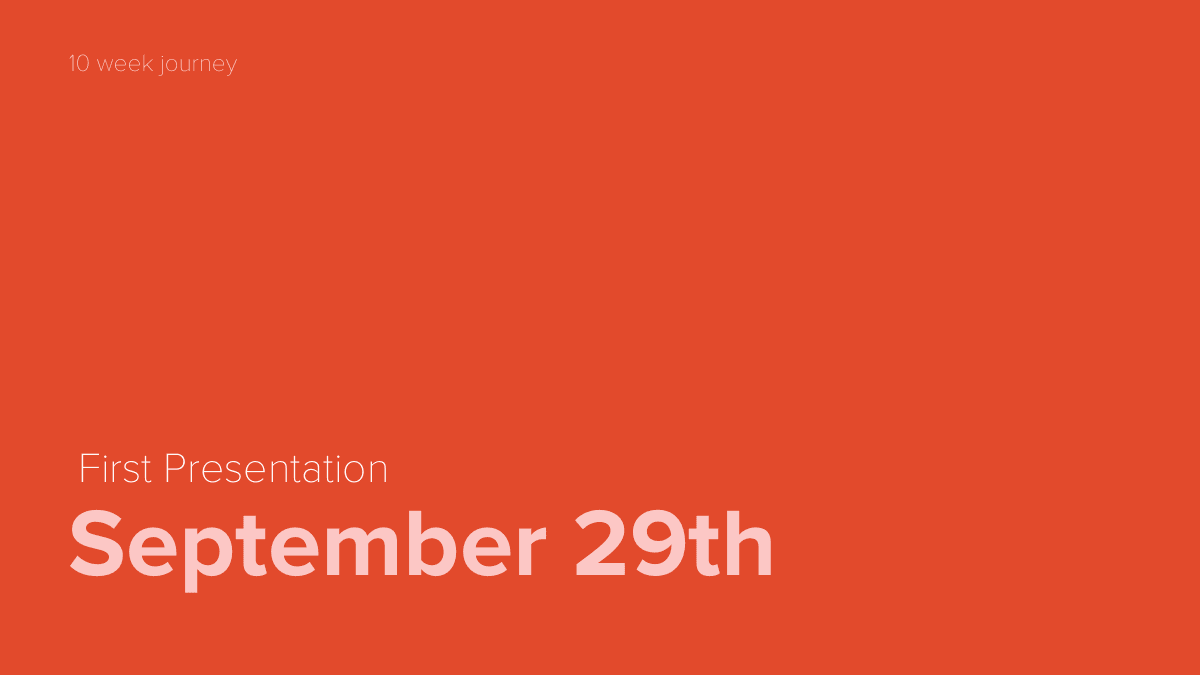
Ten-week engagement cadence
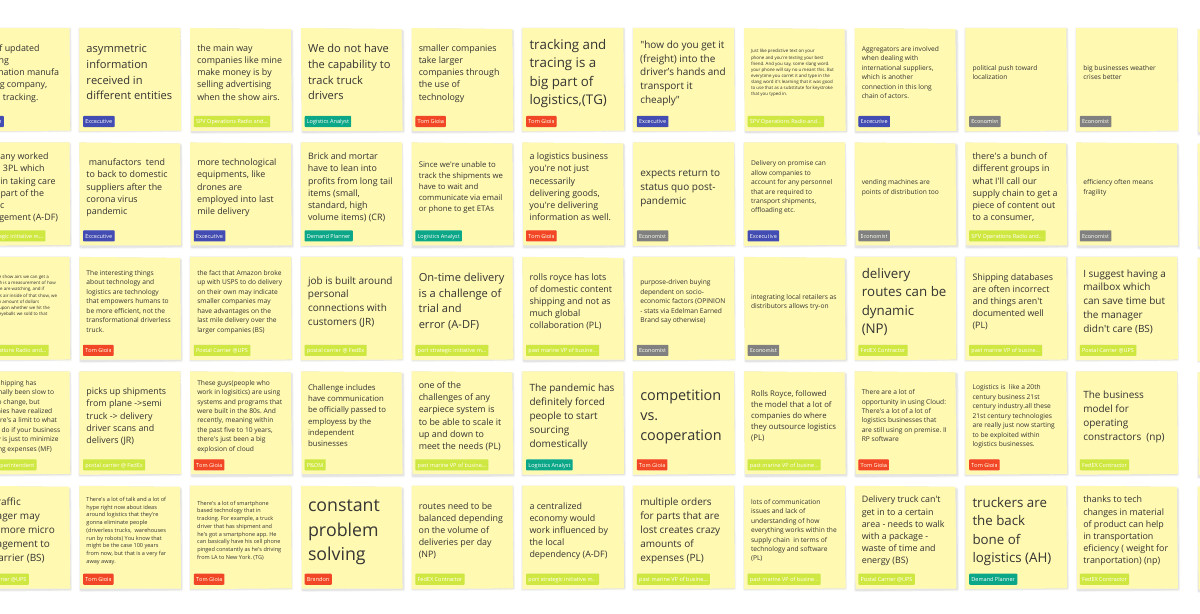
Research synthesis
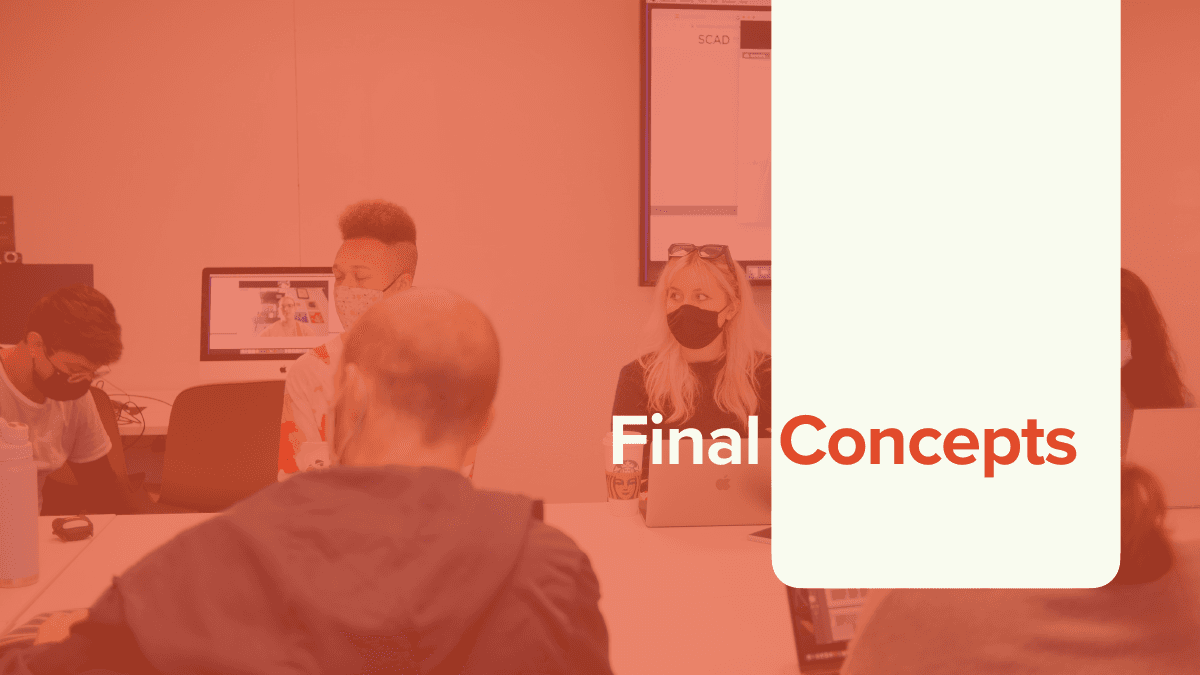
The studio at work
01 · Deloitte, fall 2021
Making the most
trusted firm feel
human.
Deloitte's Government and Public Services practice came with a perception problem. The firm does enormous community work, and almost none of it shows. To a government client weighing one consultancy against another, Deloitte can read as the people who crunch the numbers. The brief, distilled to three words the client gave us on day one, was creative, empathetic, impactful.
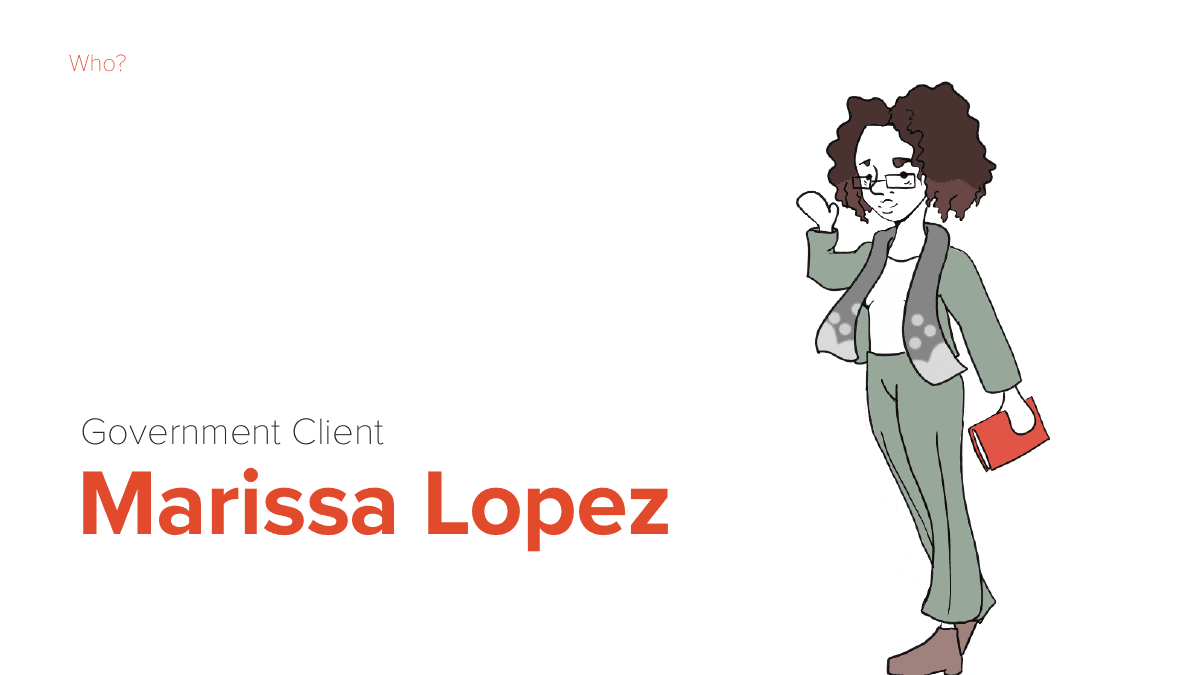
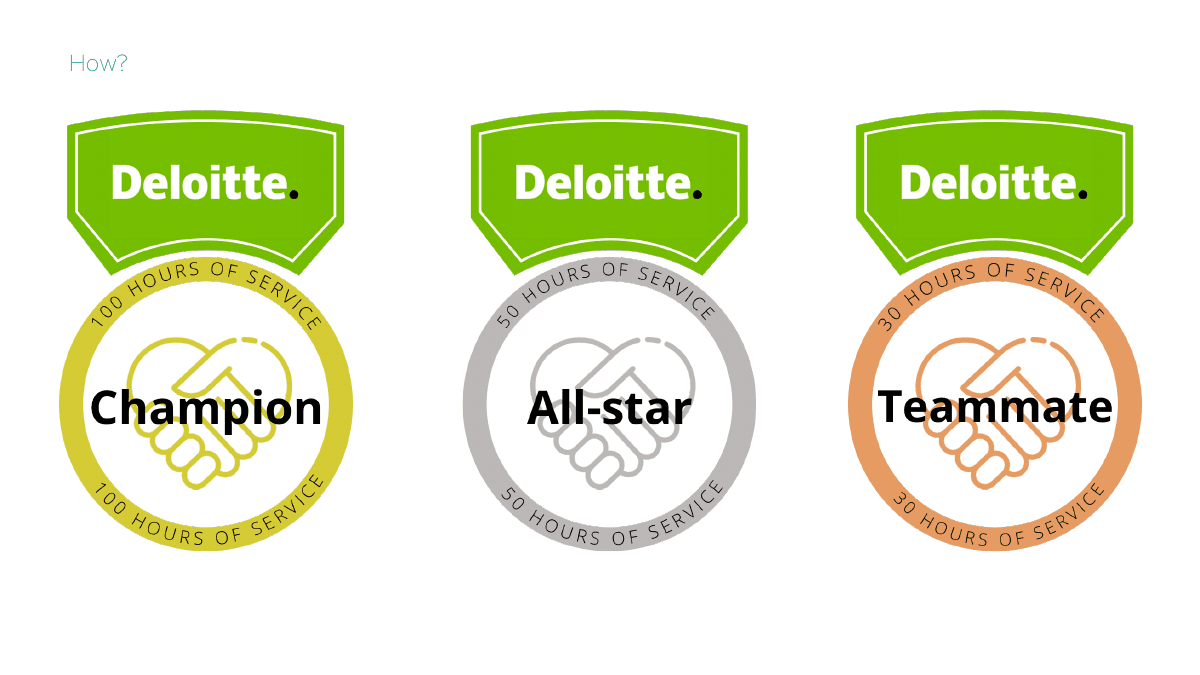
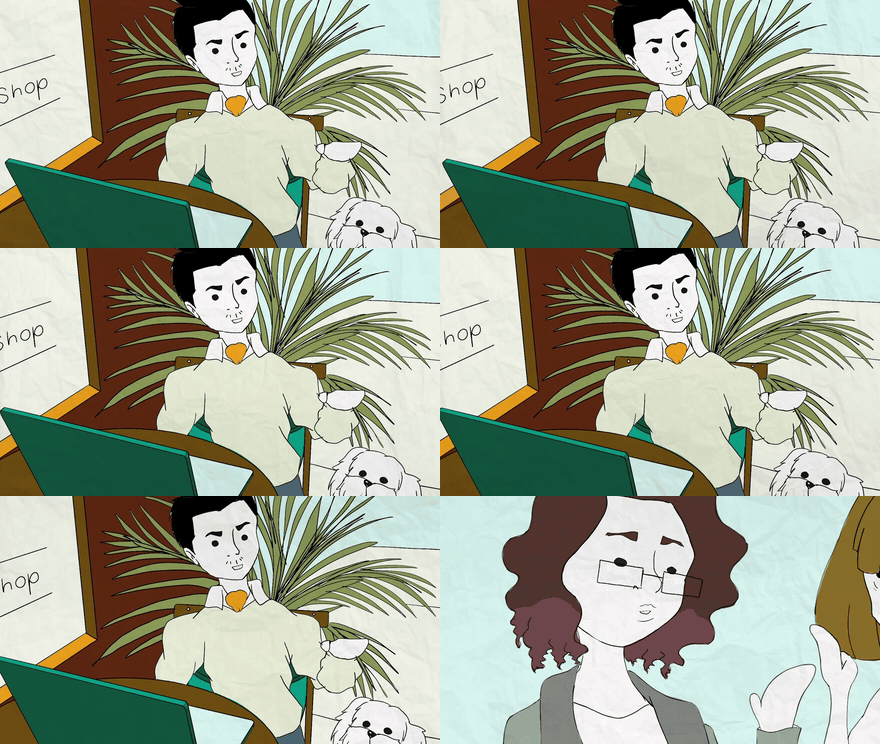
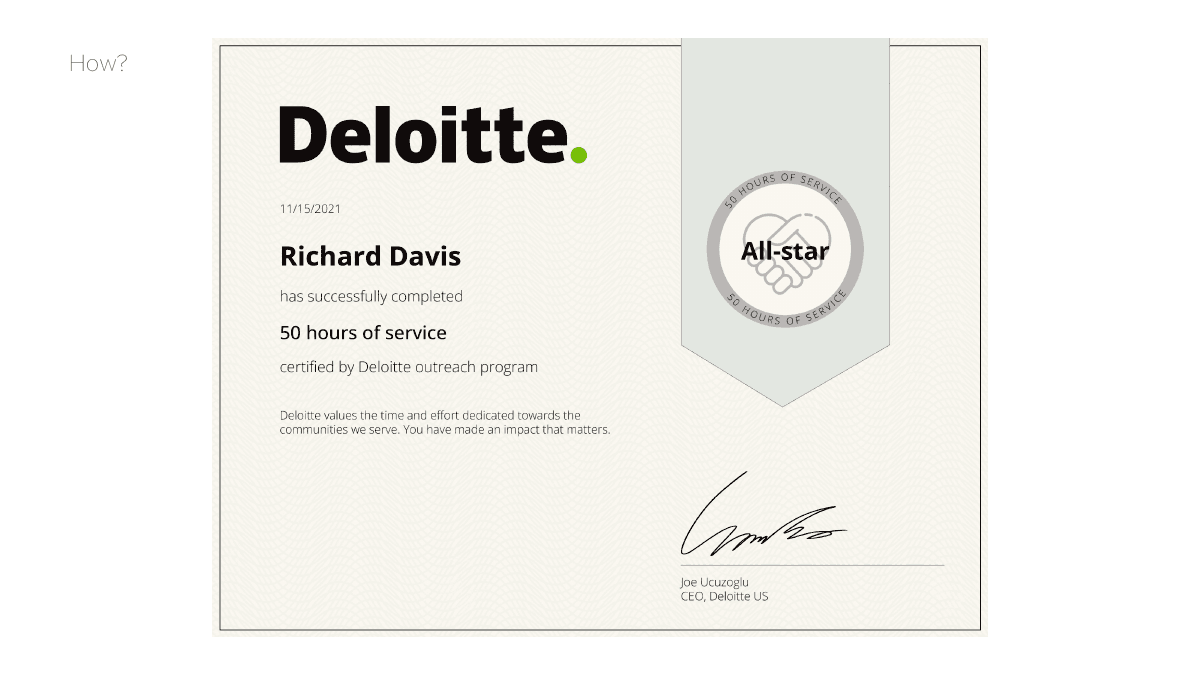
The team answered with three concepts that climb a ladder. Deloitte Extra folds the firm's real service stories into the proposals clients already read. Service Squad imagines a docu-style show where a different celebrity each week joins a Deloitte service crew in a real community. And a set of LinkedIn service badges lets anyone log volunteer hours and wear the credential, carrying the firm's culture past its own walls. The vision video followed one client, a state secretary of education, as her sense of the firm warmed from vendor to neighbor.
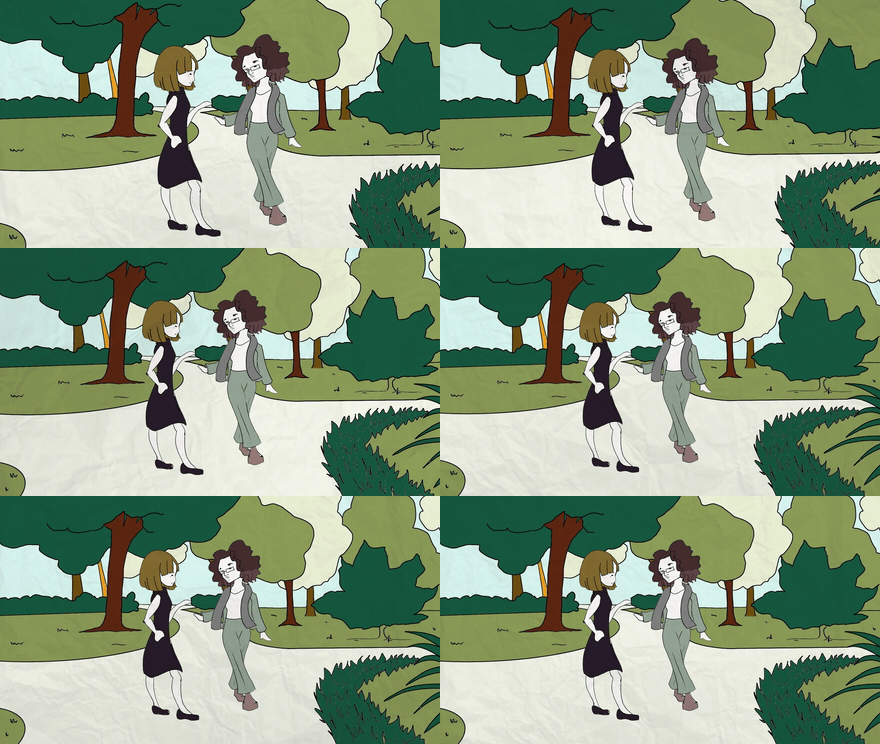
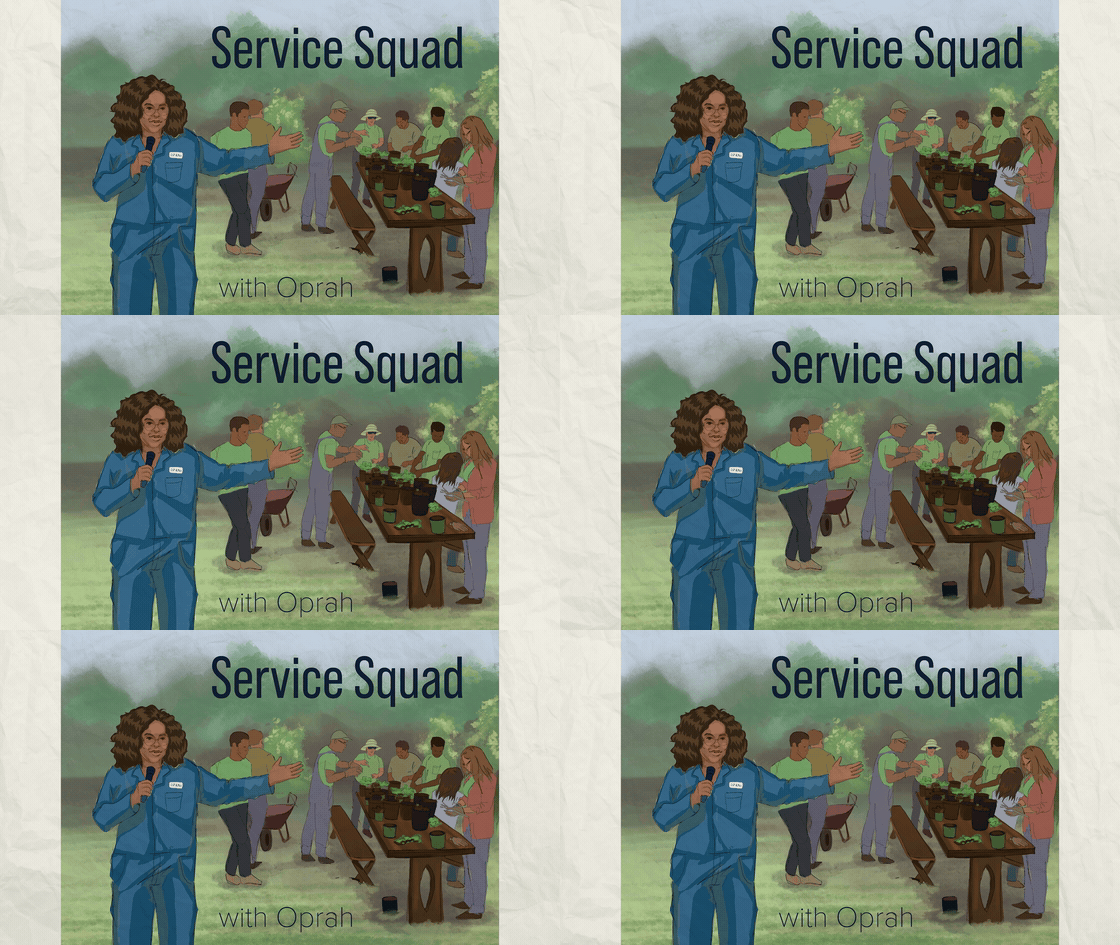
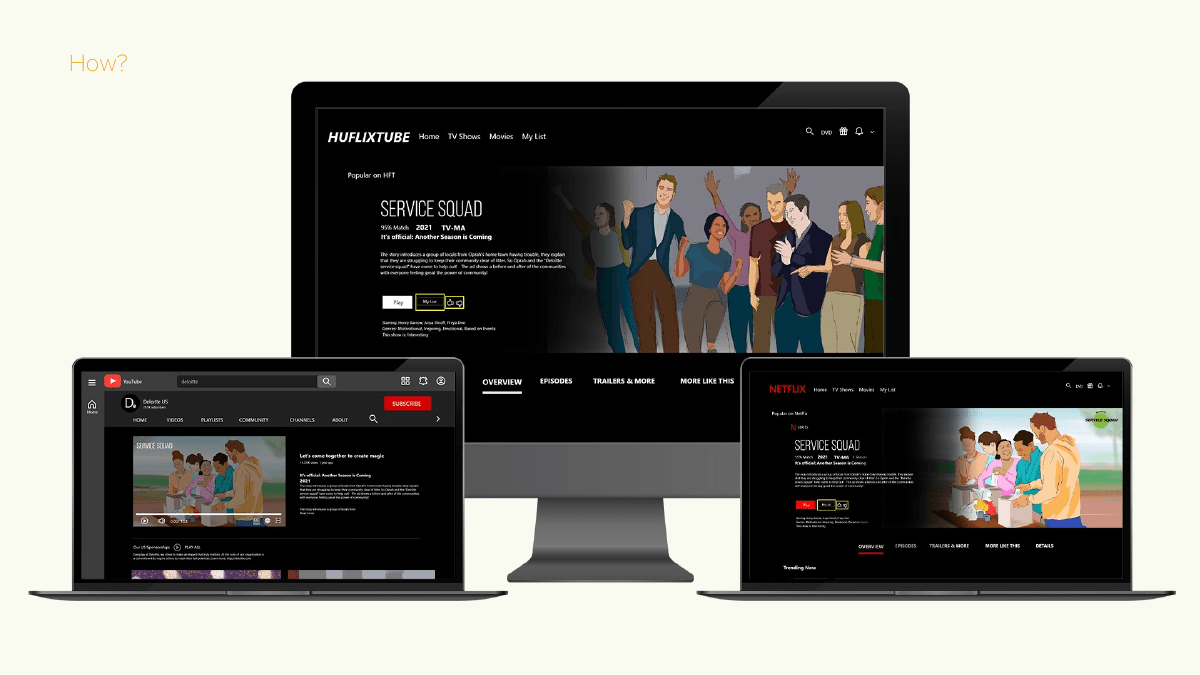
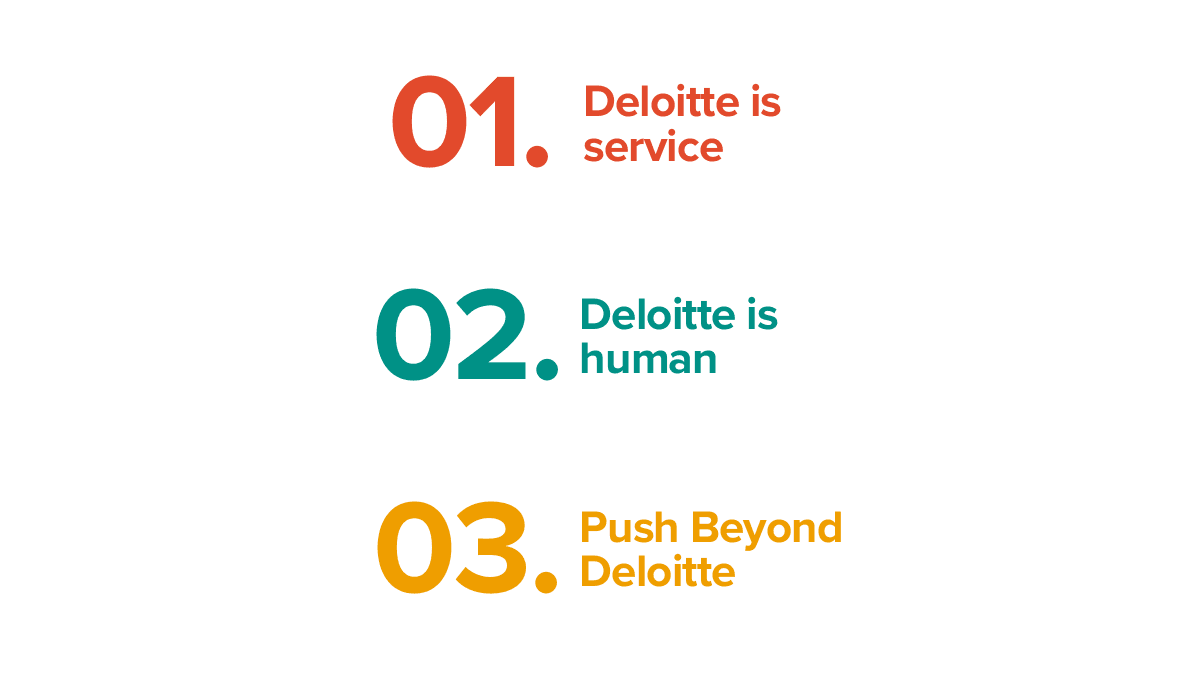
Those three lines closed the room: Deloitte is service, Deloitte is human, push beyond Deloitte. This was the program's very first studio, and it set the template for everything after it.
02 · Deloitte, spring 2021
Care that finds
you before you
have to ask.
Social care, the safety net of housing, food, child welfare, aged care, and disability support, fails most often at the seams. People who need help cannot find the help, and the systems meant to reach them rarely talk to each other. Deloitte asked the team to imagine what a more human social-care experience could feel like.
The team built a family of concepts around one idea: connection before crisis. The lead concept, Scoop, turns a neighborhood into a map of small offers and small needs, a place where a ride, a meal, or an hour of company finds its match before a situation hardens into an emergency. The vision video tells it through ordinary moments. A phone that rings at the right time. A board where a neighbor's request meets a neighbor's yes.

03 · Deloitte + the Department of Defense, summer 2021
Seeing the modern
military family
whole.
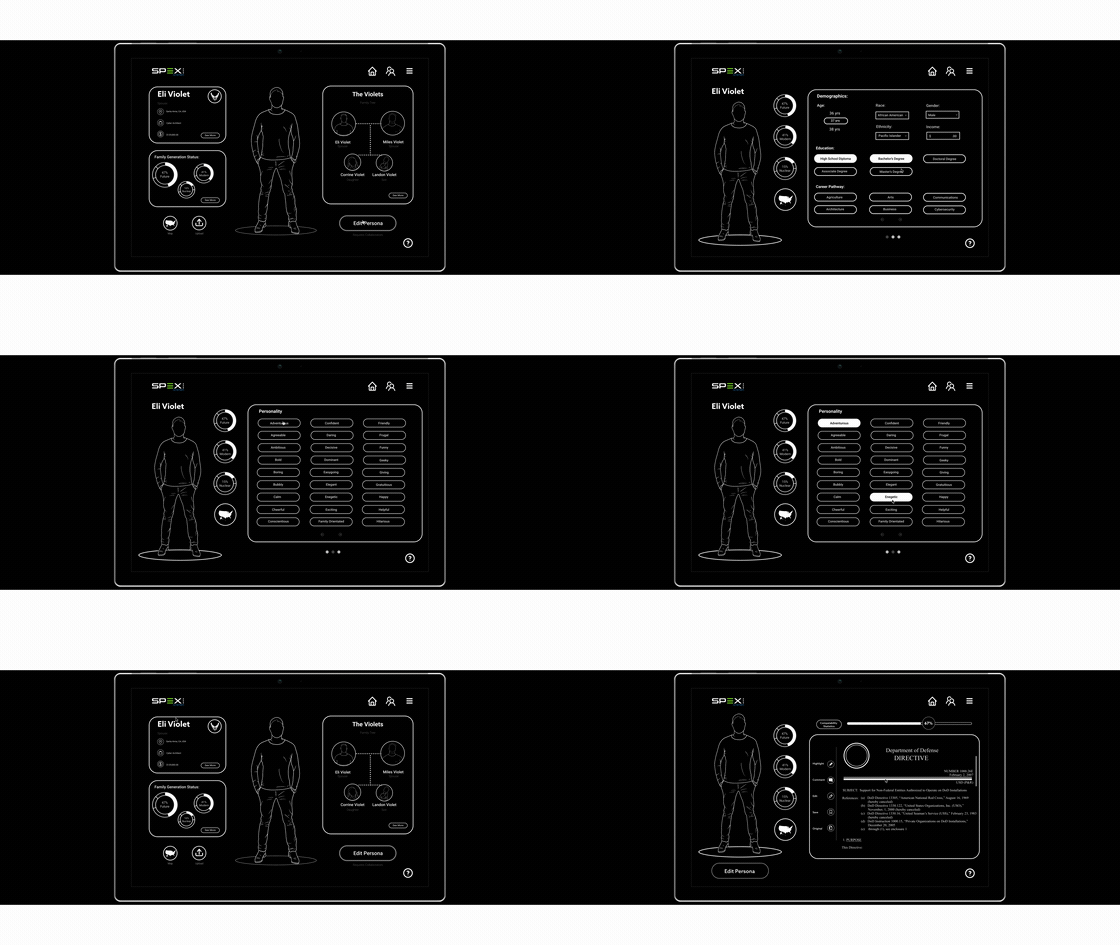
The Department of Defense, working through Deloitte, wanted to understand the modern military family. The old picture, one service member and a household that follows, no longer holds. Today's families are dual-career, blended, long-distance, and quietly carrying a load the policies were not written for. The team ran formal research to see them clearly: recorded interviews with service members and spouses, signed consent forms, surveys, and a set of family personas drawn from the evidence.
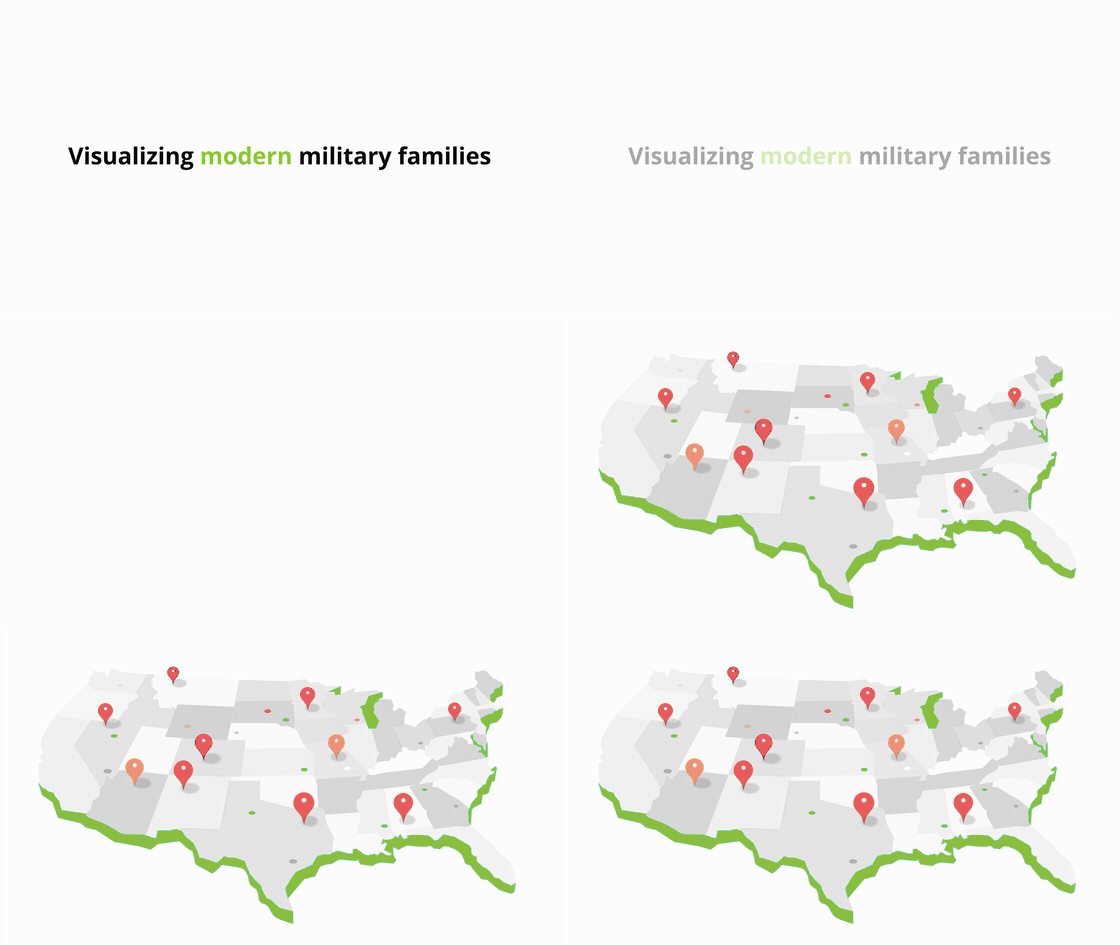
The answer was SPEX, a system for visualizing a family's real shape and the support that should flow to it. The vision video moves from a map of families scattered across the country to the people inside one home, then into a dashboard that holds a family's situation in a single view. It was delivered co-branded, Deloitte and SCADpro on the same title card, the way a firm presents to a client of this weight.


04 · IBM, Great Dane, Georgia Ports, and SEDA · 2020
A logistics system
by people, for
people.
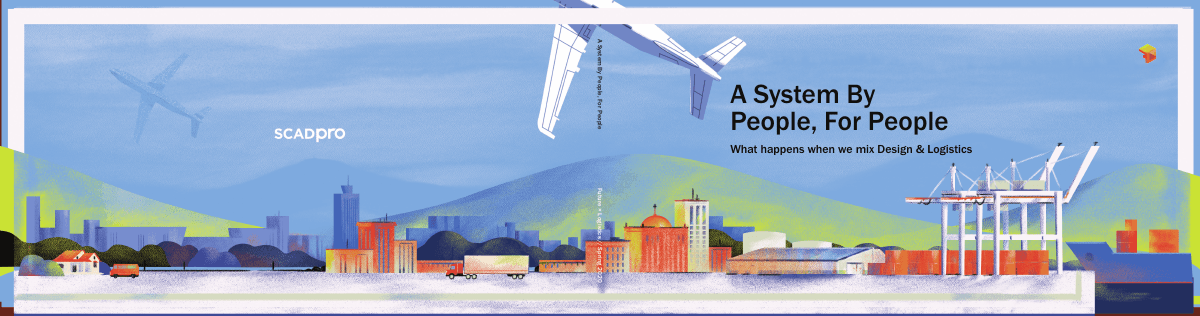
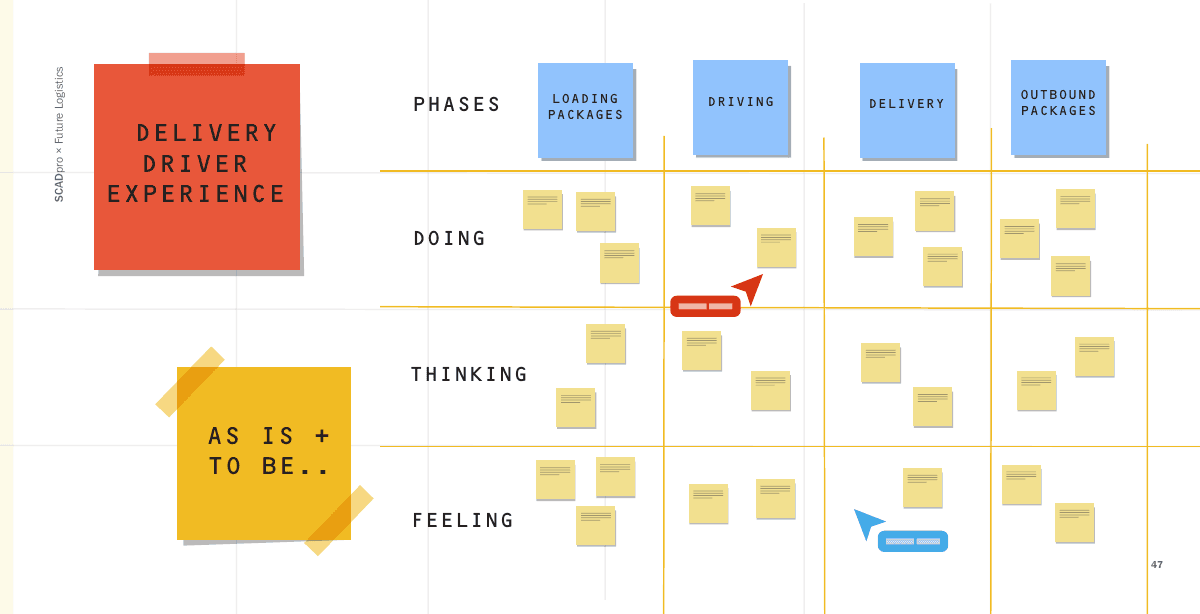
An alliance of sponsors, IBM, the trailer maker Great Dane, the Georgia Ports Authority, and the Savannah Economic Development Authority, asked a hard question in the middle of 2020, with the supply chain visibly buckling: what is the future of logistics. The team narrowed it to the last mile, the stretch between the warehouse and your door, and found the insight that became the spine of the work. Logistics lacks empathy.
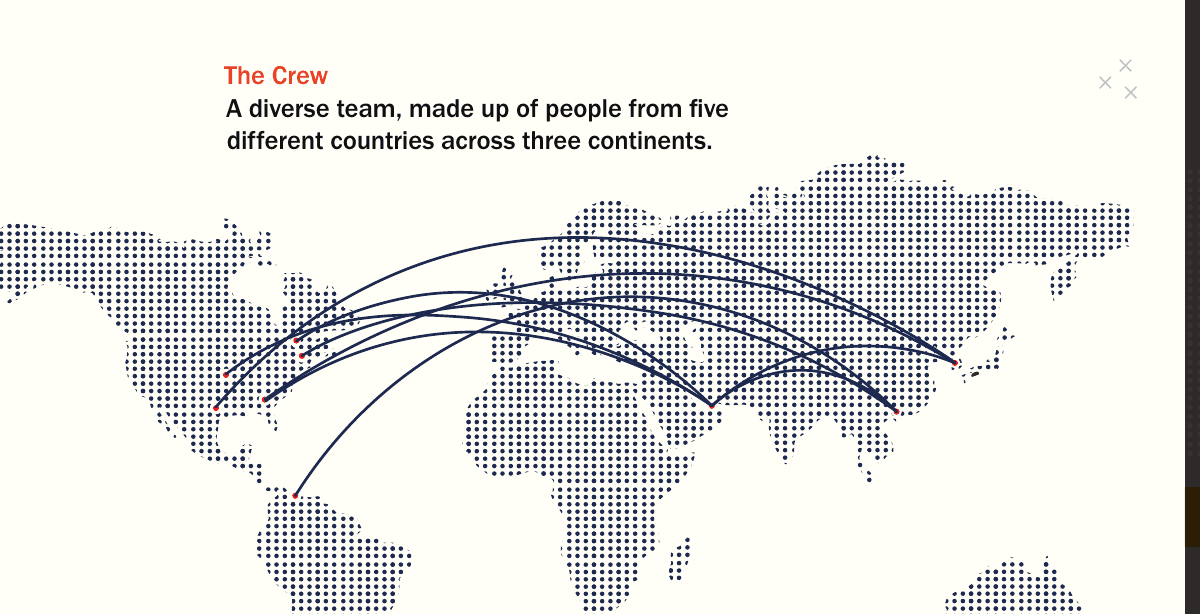
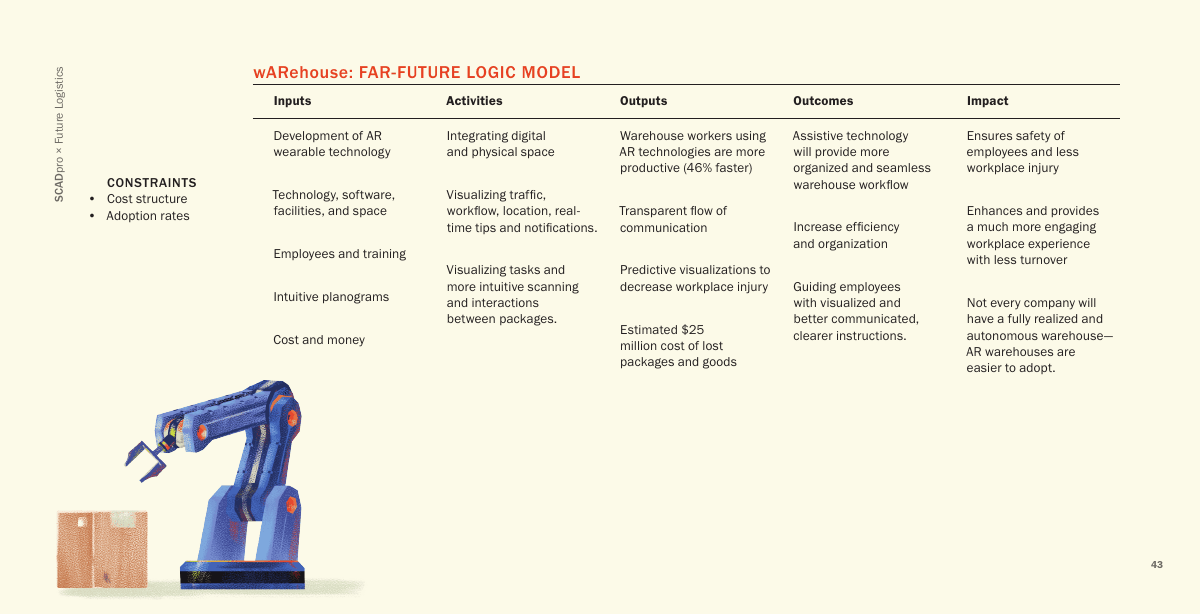
Three solutions answered it, each built for a real person. Ladybug lets a customer summon a drone to fetch something urgent, designed for a single mother short on time. Web is a wearable assistant for the delivery driver, hands-free scanning and routing for the person actually carrying the boxes. And Hive turns local cafes and shops into pickup hubs, trading a discount for a shorter route and more foot traffic on the block. The team spanned five countries and three continents and ran the engagement against live partner check-ins, including a working session with IBM's design leadership.
05 · City of Mobile, Alabama · spring 2021
Helping a city
welcome you home.
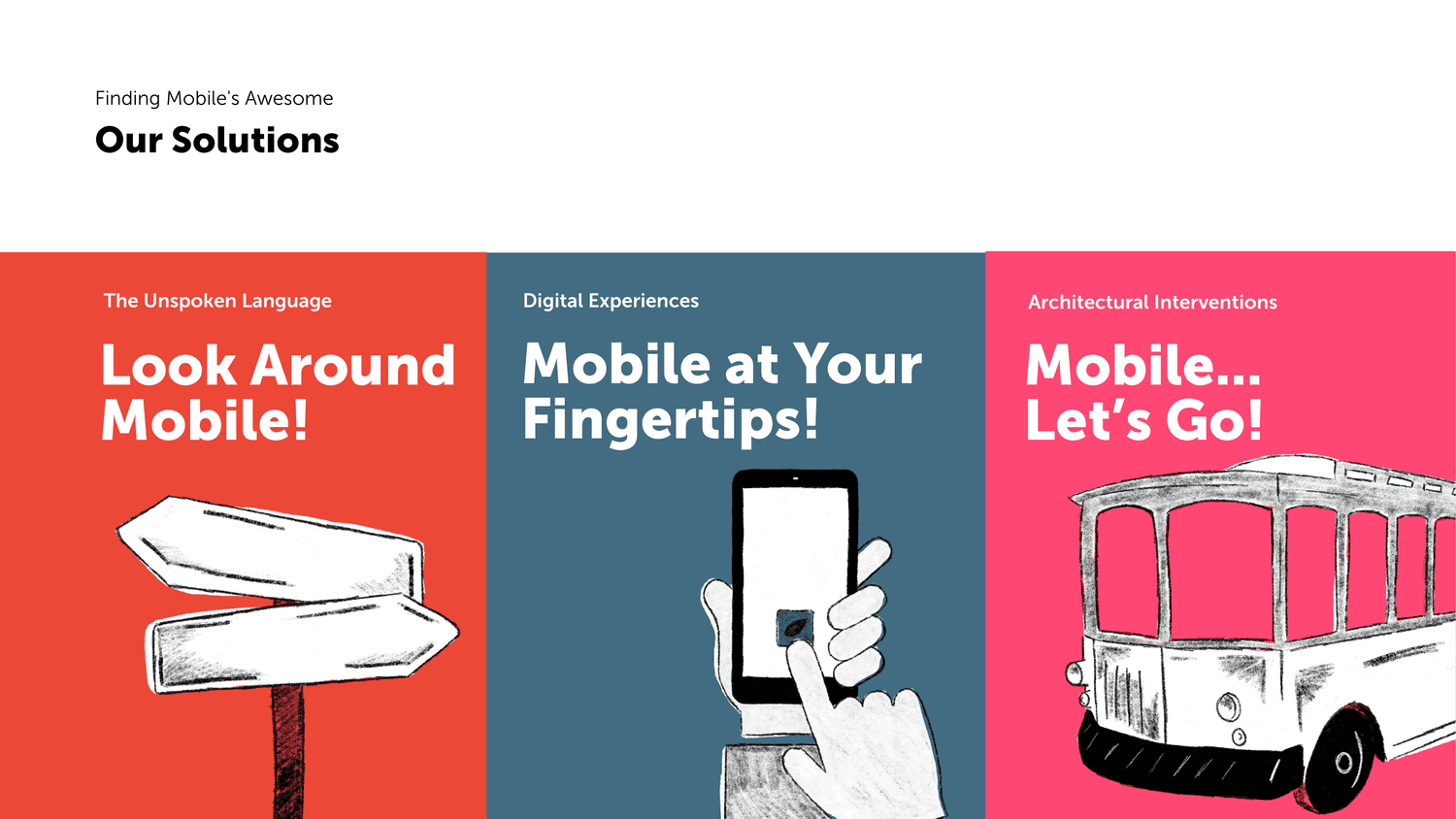
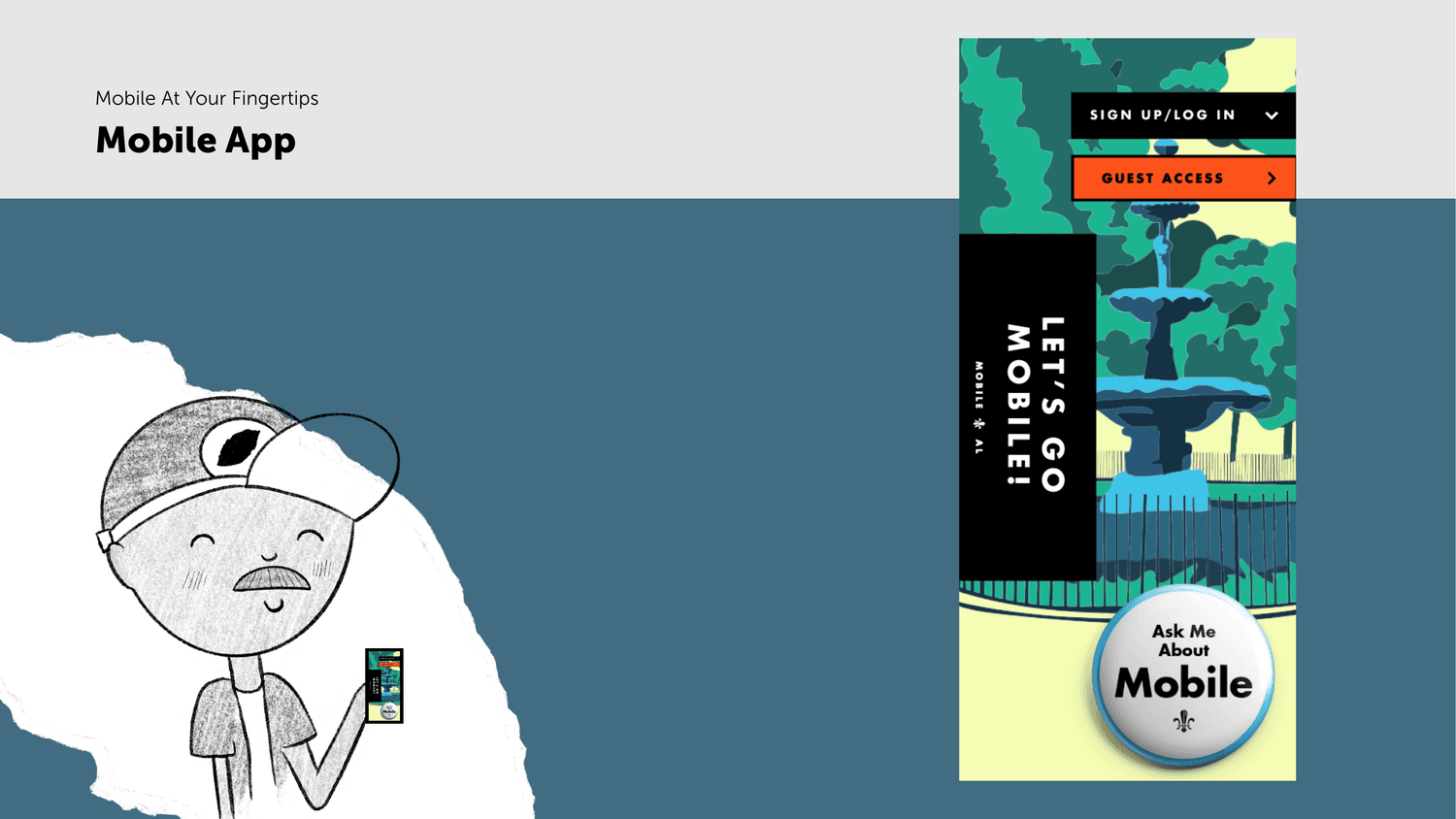
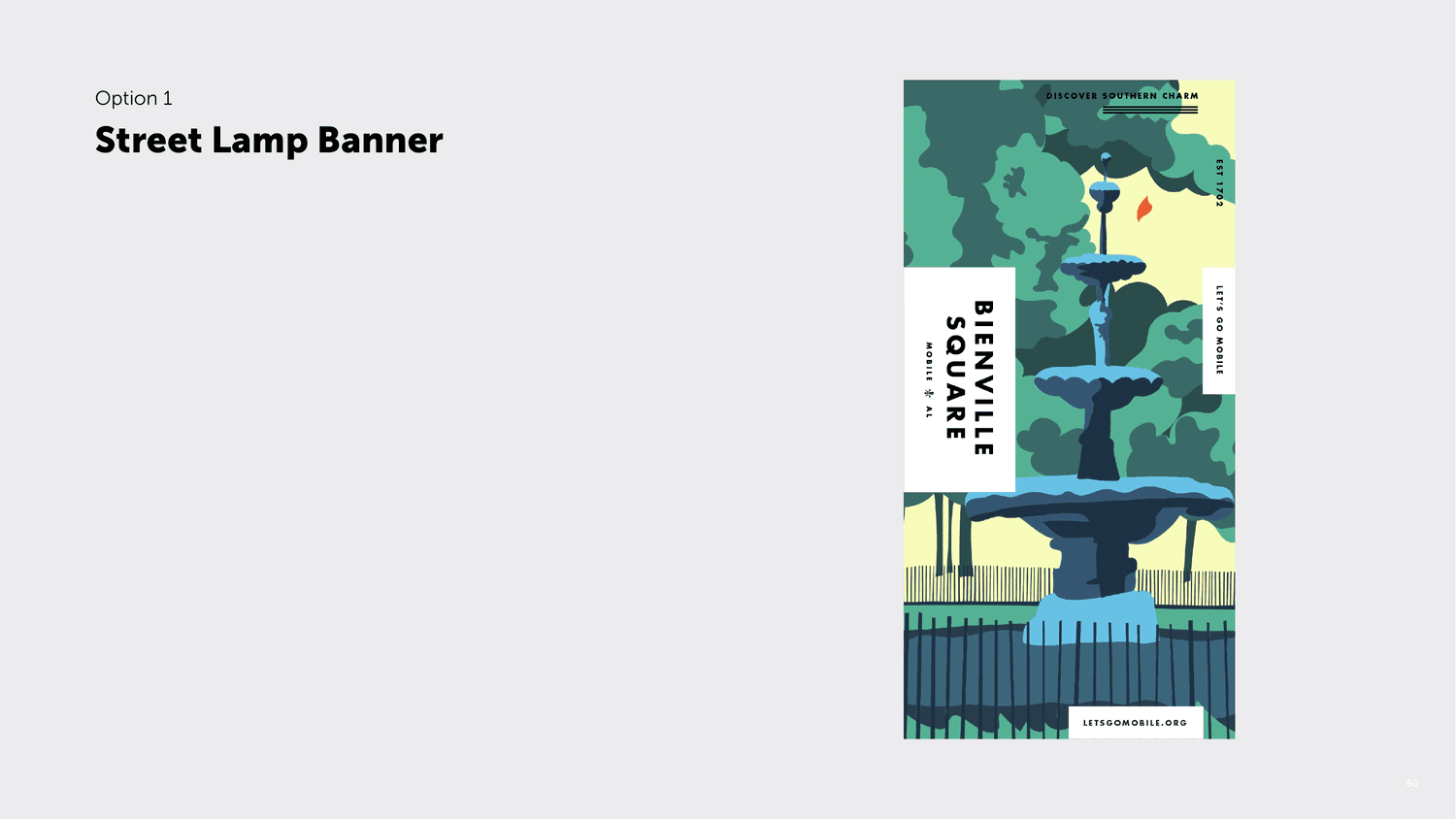
The City of Mobile, Alabama, wanted downtown to feel legible and proud, a place a visitor could read on foot and a resident could show off. The team treated the whole district as one design problem and answered it in three moves. Look Around Mobile is the unspoken language of the street: banners, signage, and maps that carry the city's carnival heritage. Mobile at Your Fingertips is the app that walks you through downtown. And Mobile, Let's Go is the set of architectural gateways that announce you have arrived.
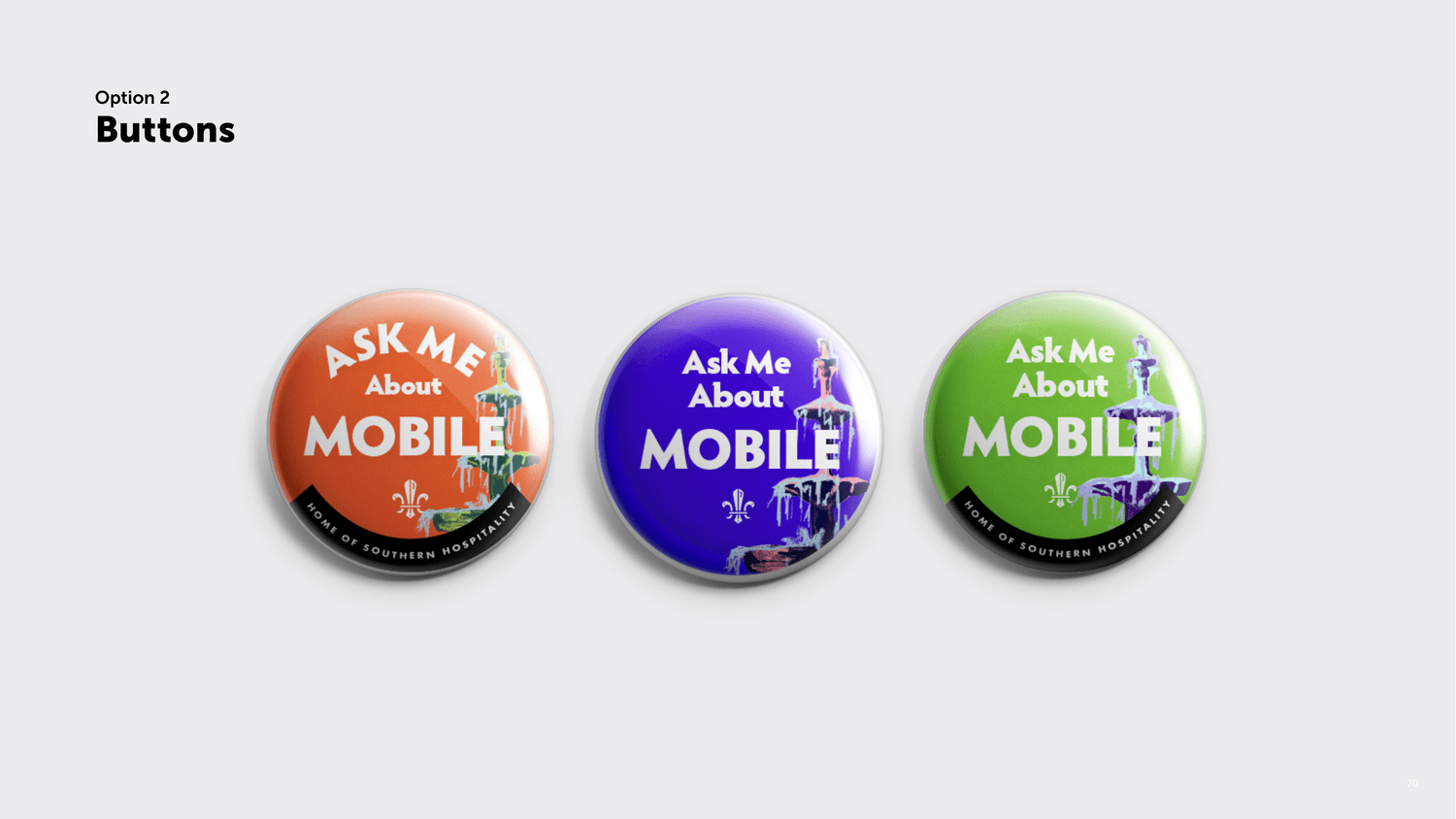
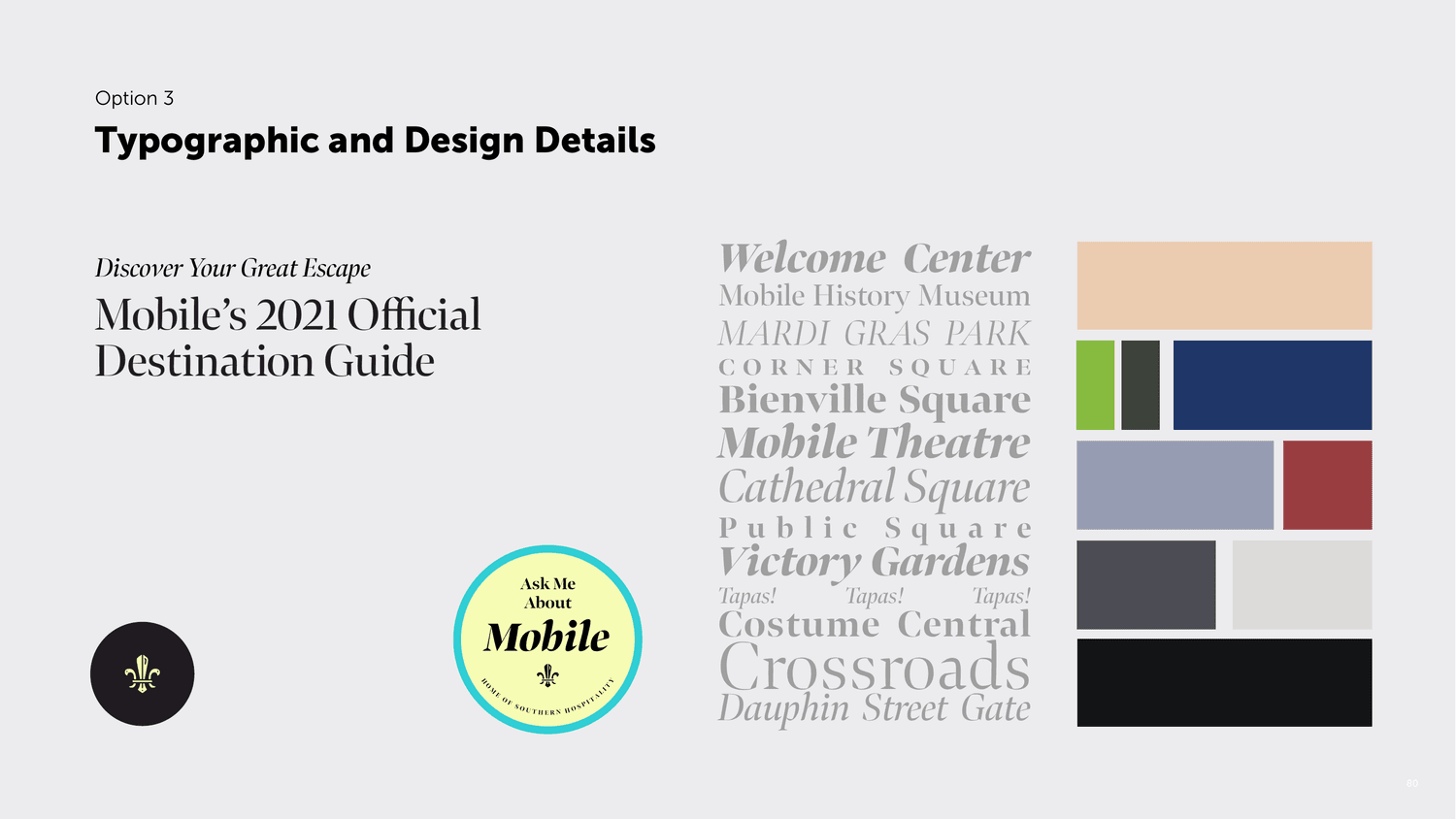
The system runs on warmth: a vintage postcard greeting at the edge of downtown, street-lamp banners for Bienville Square, ambassador buttons that invite a local to say ask me about Mobile, a 2021 destination guide with a visual language that holds from a banner to a phone screen. Underneath the charm sat a master plan the city could build from, with routes, placements, and a research trip the team took to walk the place themselves.

what I did
I ran the firm.
The students ran
the work.
Across these five studios I did the job of a design principal inside a teaching practice. I shaped the briefs with clients and kept those relationships through delivery, cast and structured cross-functional teams of about fifty students in all, held them to a real consulting cadence, and directed everything from the research synthesis to the art direction to the final cut of each vision video.
What the students got was the experience of being consultants: a real client, real research, real feedback, and the nerve it takes to present an answer to the people who asked the question. The clients got thinking they could act on. And I got five runs at the thing I love doing most, building a team around a hard question and staying with it until there's an answer worth standing up to present.
- SCADpro · Savannah College of Art and Design
- 2020–2021
- Higher Education
- Management Consulting
- Public Sector
- Studio Director
- Design Leadership
- Client Engagement
- Research Direction
- Motion + Visual Storytelling
- Service Design
- Brand and Identity
- Product and UX
- Vision Video
- Wayfinding
- Co-leads Craig Smith, Ray Crowell, Elaine Gallagher, Paul Runko
- Roughly fifty SCAD students across six disciplines