All the World's a Map
Charting Broadway's collaborative history
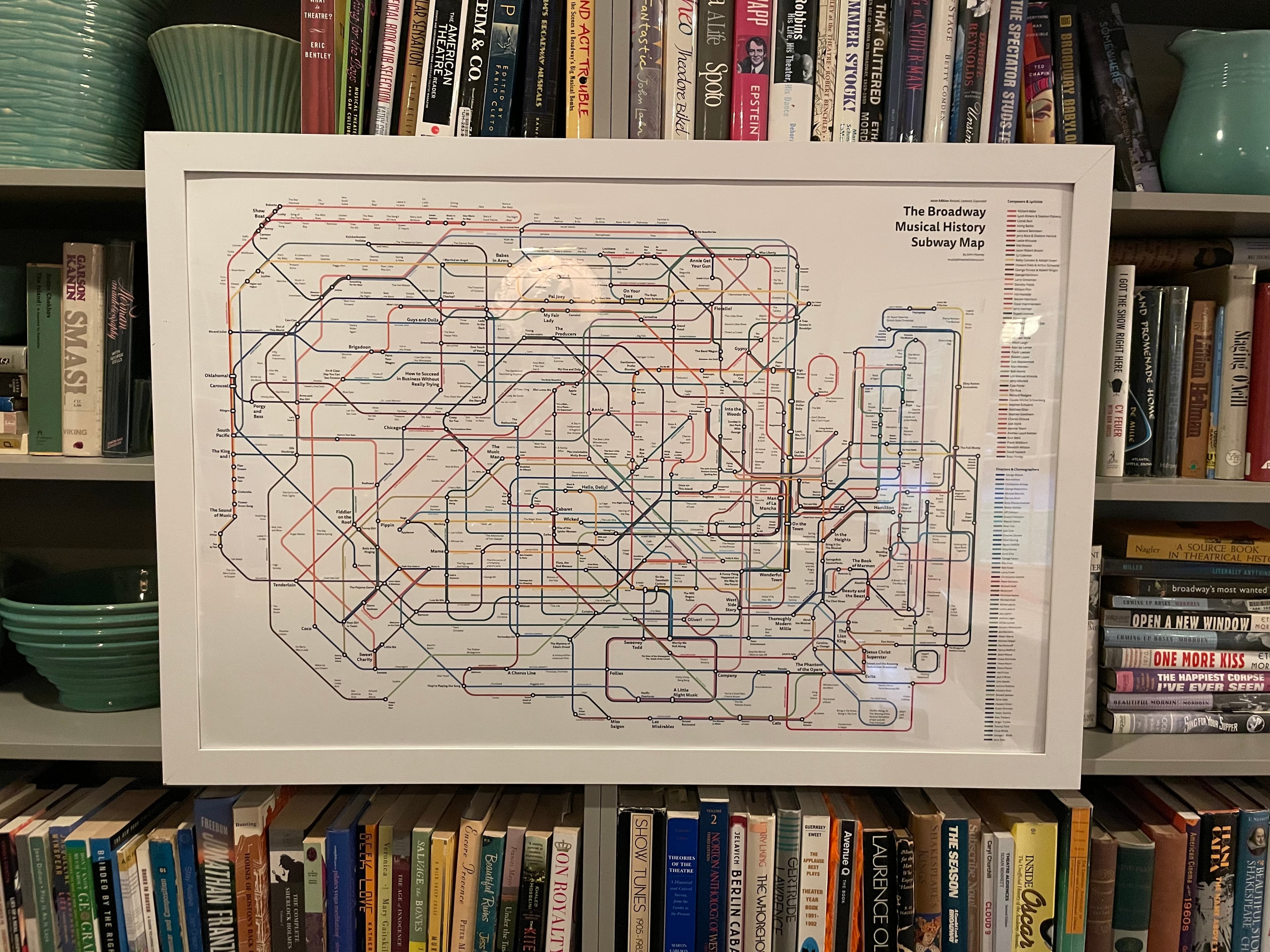
I started this map in 2008 in graduate school. A Sondheim conversation kept turning into a diagram on a napkin. The napkin disappeared. The map kept growing.
Broadway's standard story is a list of shows in order. There's no way to see how the same composer worked with the same lyricist worked with the same director, decade after decade. The collaborations are the real story. The shows are the stops along the way.
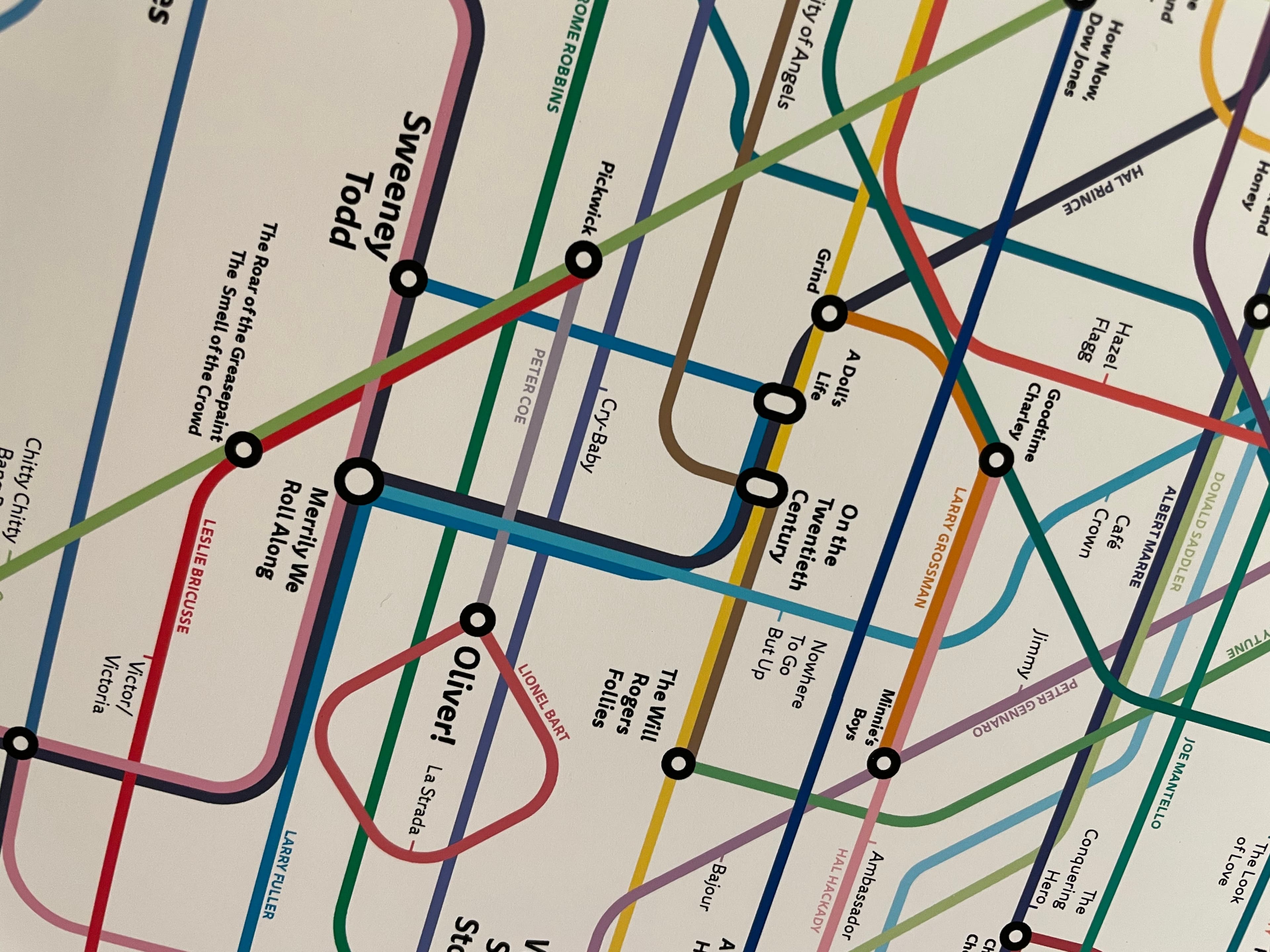
So I drew it as a transit map. Each line is a person: composer, librettist, director, choreographer. Stops are the productions they worked on. Where lines intersect, you see the collaborations that shaped the canon.
It's been updated every year since. It hangs in classrooms and sits behind the counter at the New York Public Library for the Performing Arts gift shop. It's become the central project of what I call Musical Theatre History.
Where it came from
A subway map for a network.
Harry Beck's London Underground map, drawn in 1933, is the standard against which every transit graphic gets measured. Beck's insight was that geography was the wrong axis. What riders needed was the topology: which lines connect to which lines, where can I get off, what's next.
Broadway works the same way. The geography is irrelevant. The topology, who worked with whom, is everything. A network has been there the whole time, hiding in plain sight on the inside cover of every Playbill.
Who reads it
Teachers, students, fans.
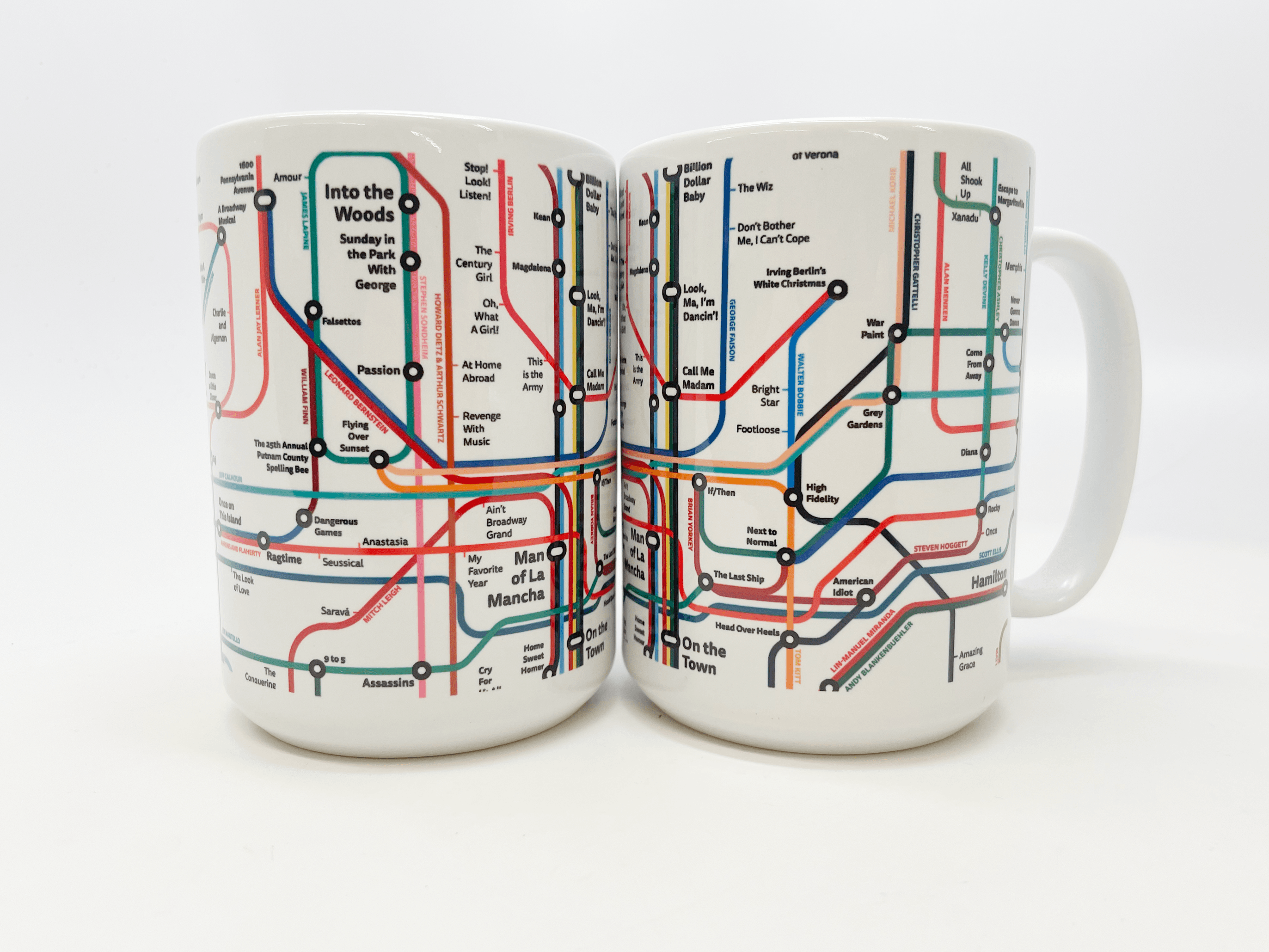
Theatre teachers use it to anchor a syllabus. Cast members hang it backstage and trace their show's lineage. Long-time fans send me corrections and additions. Parents send photos of their kids holding it up to a wall, finding the show they already love.
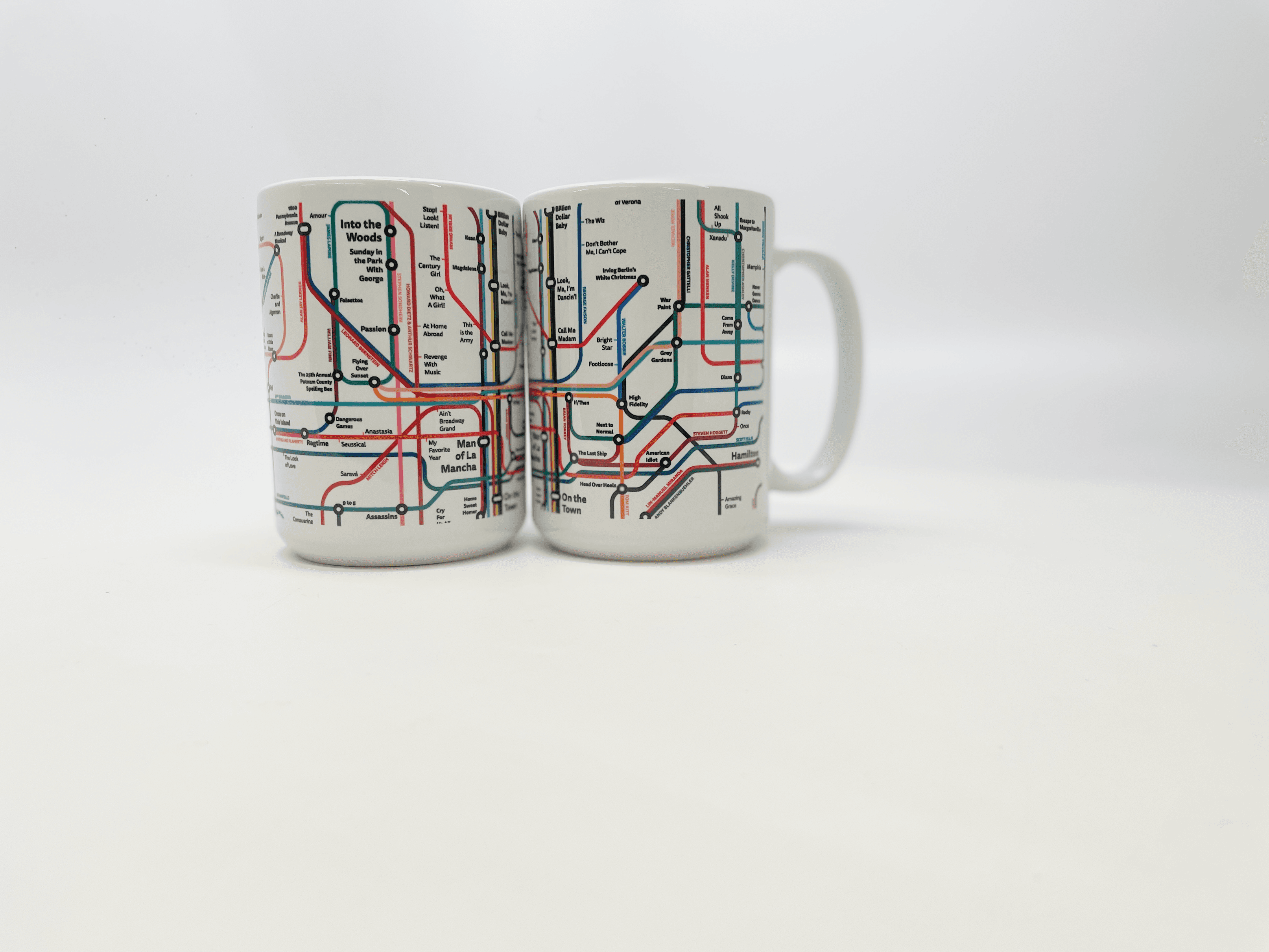
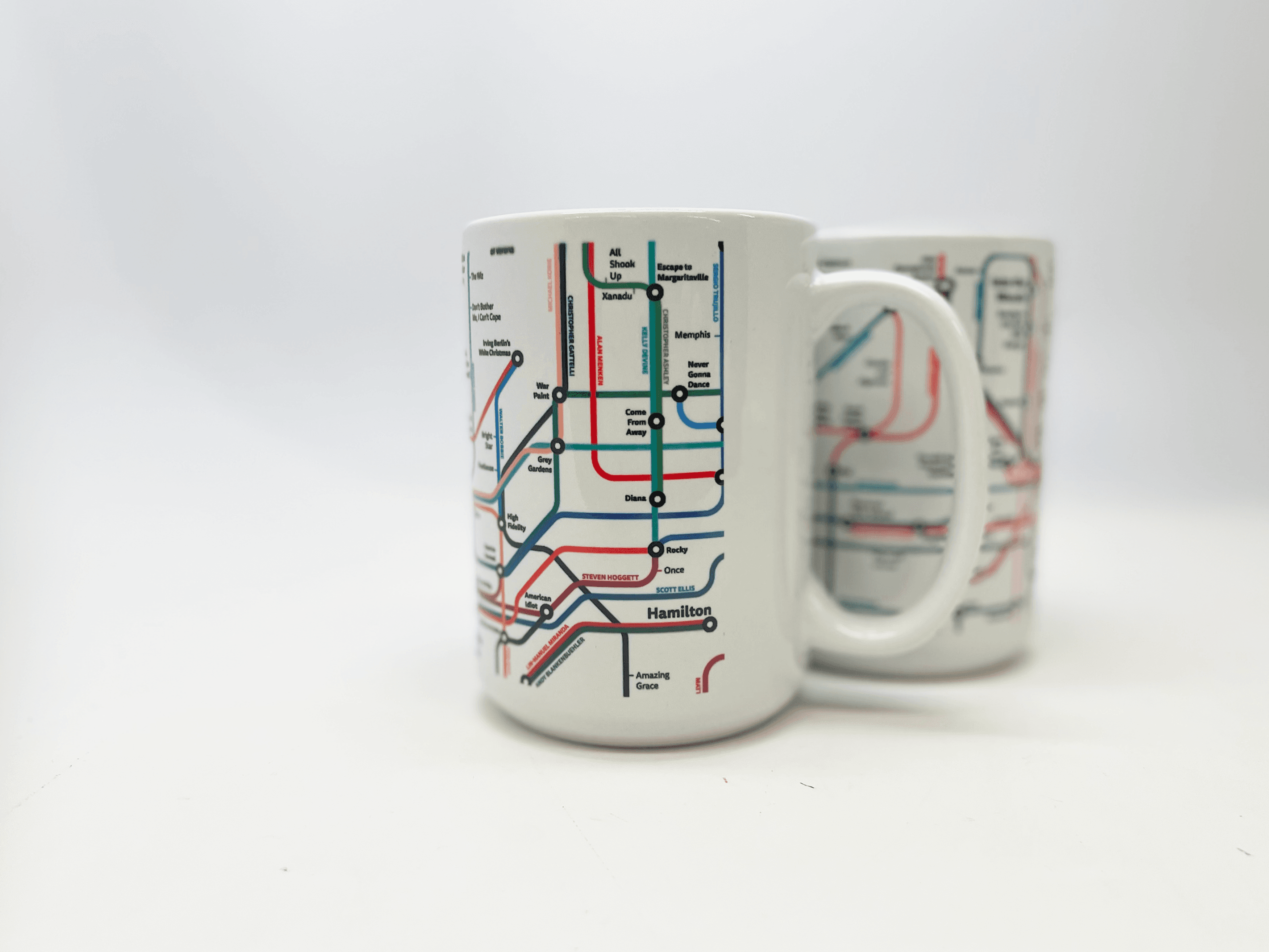
"A masterpiece. A treasure for theatre lovers."
Customer review, NYPL gift shop
Where it lives
In classrooms and on walls at home.

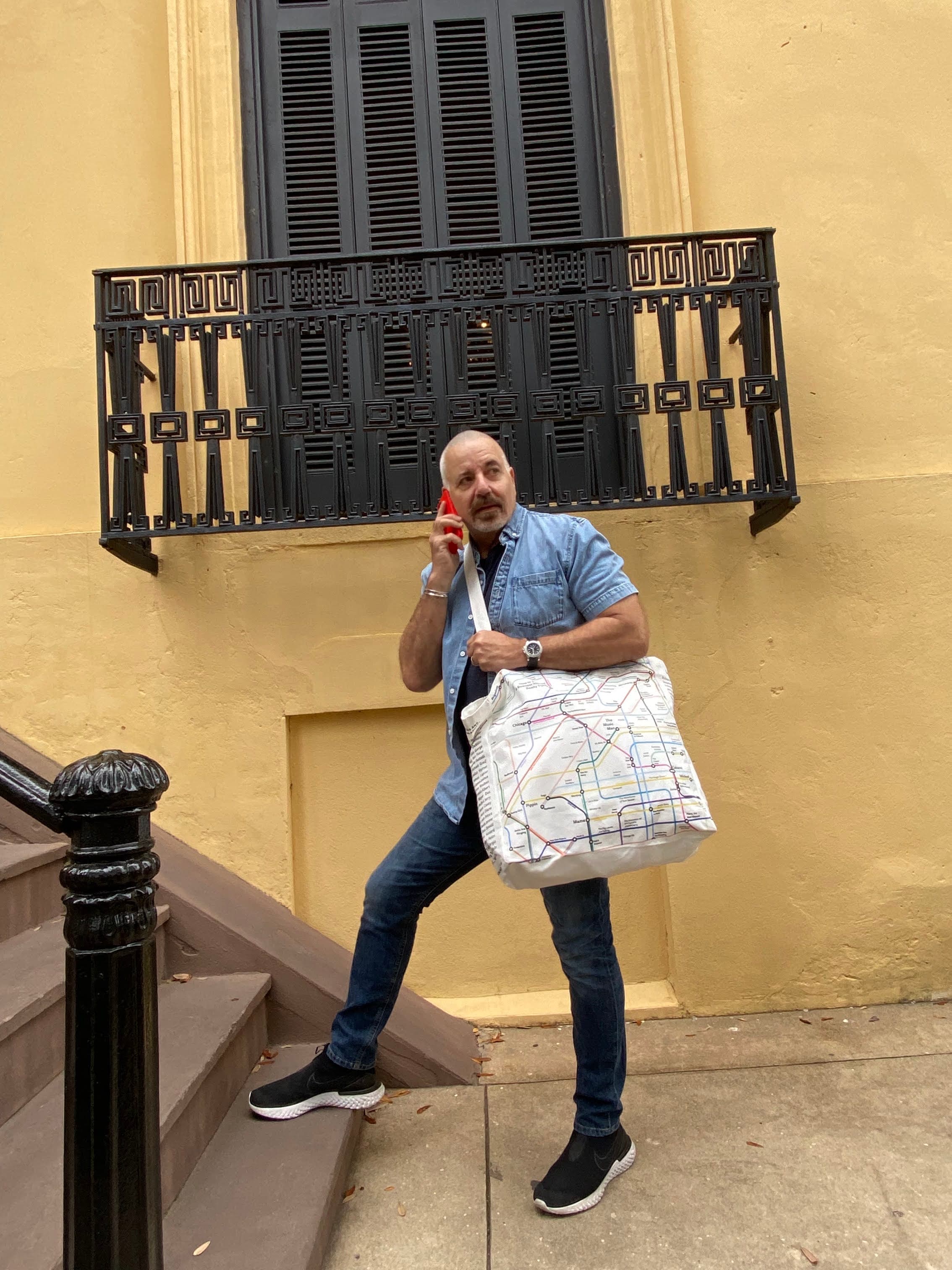
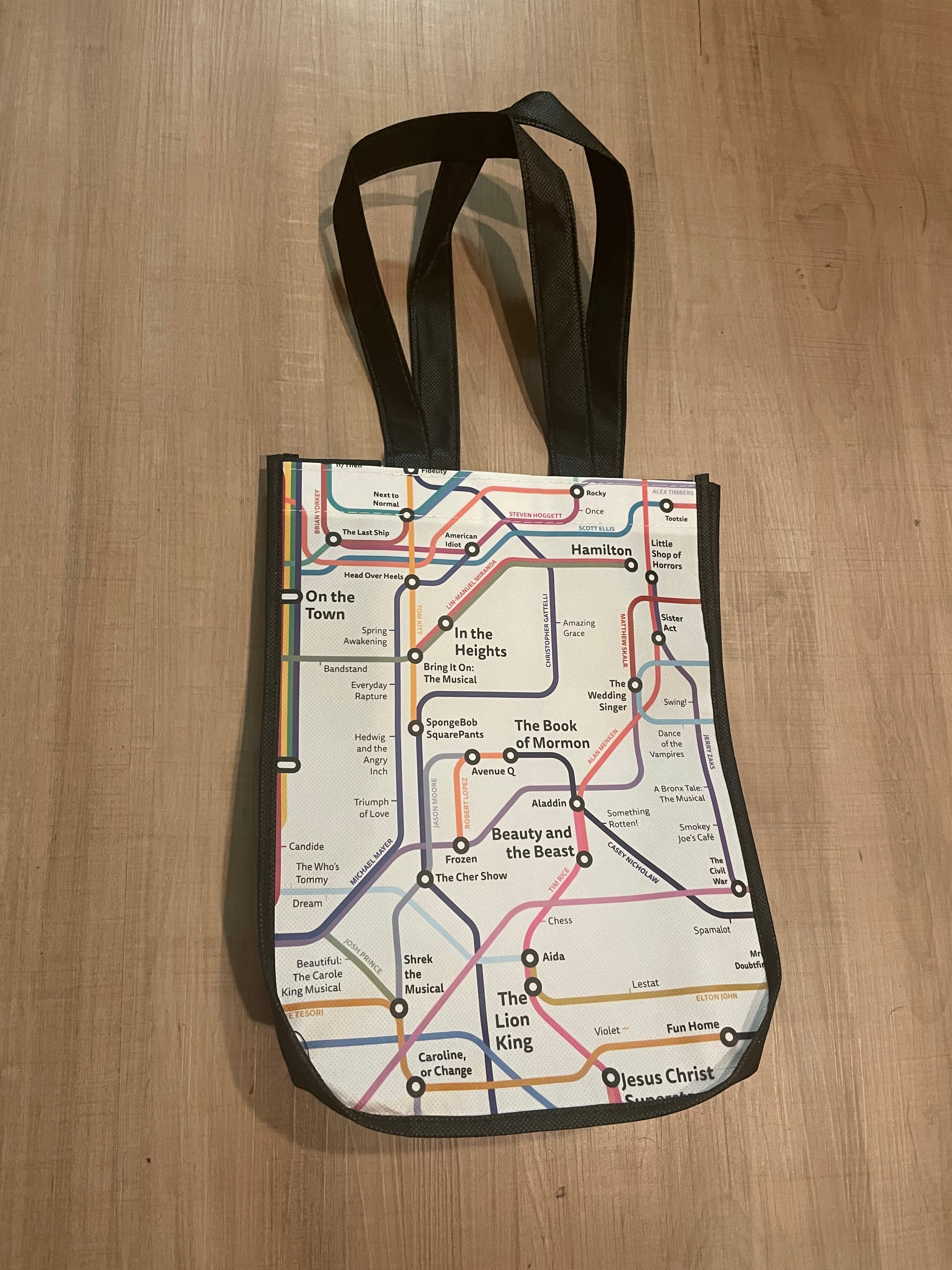
It's been sold continuously through the New York Public Library for the Performing Arts gift shop since 2014.
It's also been adopted in classrooms across the country, and several universities use it as the spine of an introductory musical theatre survey course.
I update it yearly. The 2008 edition is on a wall somewhere, and the 2024 one hangs next to it in some homes.
The companion site, musicaltheatrehistory.com, picks up where the print can't: searchable database, deeper biographical pages, links to recordings.
The best thing the map does is spark a question. Someone stands in front of it and asks, "Did Bernstein really work with that team?" Then they go look it up. That moment is why I keep drawing it.
Takeaways
- Self-initiated
- Arts and Education
- Retail
- Designer
- Illustrator
- Researcher
- Graphic Design
- Illustration
- Information Design
- The New York Public Library for the Performing Arts
Up next