Essay · 6 min read
The Tools Change. The Work Doesn't.
On using AI without losing the practice
I still have my Letraset boxes. I pull them out sometimes, just to hold them. There is something about the weight of a type case, the smell of the sheets, that takes me right back to where this whole thing started for me. I learned design with my hands, starting on PageMaker and QuarkXPress, then Photoshop, Illustrator, and the whole Adobe suite. The jump to Sketch felt radical at the time. Figma came next, and I was honestly late to it, because I was in leadership roles when that shift happened, and by the time I came back to hands-on work the field had moved on without me. I had to catch up fast.
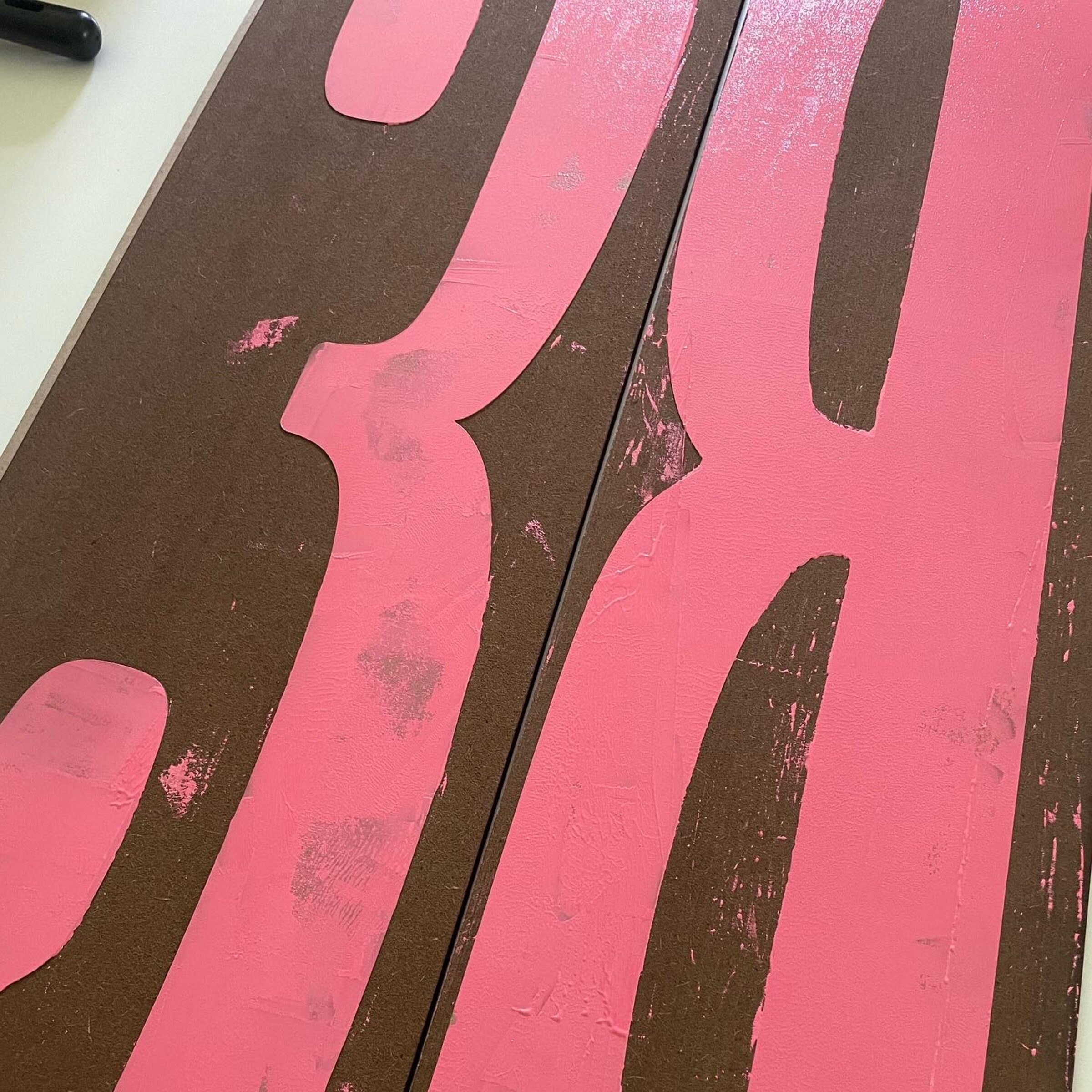
The hand still matters. I still cut and ink wood blocks on weekends. The work below is from an ongoing letterpress experiment. The ritual of design hasn't changed; the tools just keep multiplying.
See block printing →I tell you this because it matters for what I want to say about AI. The tools have always changed. What has not changed is the person at the other end of the experience. They still have needs. They still get confused, frustrated, delighted, lost. They still need someone who understands them and designs toward them. That is not something any tool does for you.
AI is a tool, a spectacular one, and I use it constantly.
Here is what that actually looks like. I recently rebuilt my entire portfolio site. I designed it in Figma first, made all the real decisions there, then used the Figma MCP server to give Claude Code direct access to what I had built. It read the file. It scaffolded the site. And then we went back and forth for a long time, targeting the roughest problems, sharing screenshots, having arguments, asking it to actually look at what it had rendered rather than just what it had written. That last part is something I say a lot: look at what you made, not the code, the thing, because there is a gap between those two things that AI does not always see on its own.
The result is a site that is mine, built the way I wanted it built, faster than I could have done it alone, not because AI designed anything, but because I designed it and AI helped me build it.
I have also built agents. One checks accessibility across my designs so I am not going pixel by pixel on my own. Another runs through Nielsen Norman heuristics and flags where I am missing something basic. I built a process for turning a body of work into a case study. I use AI as a thinking partner when I am trying to understand user needs before I have touched a single frame in Figma. When I was working at DigitalOcean on the DO.Next initiative, I built out a Figma-to-code workflow using Cursor that was really about something bigger than speed. It was about designers having ownership over their own work. We throw designs over a fence to engineering and then, at a lot of companies, we are lucky to see the coded output before it ships. AI can help close that gap if you build the right process around it, and the gap closing matters more than the AI.
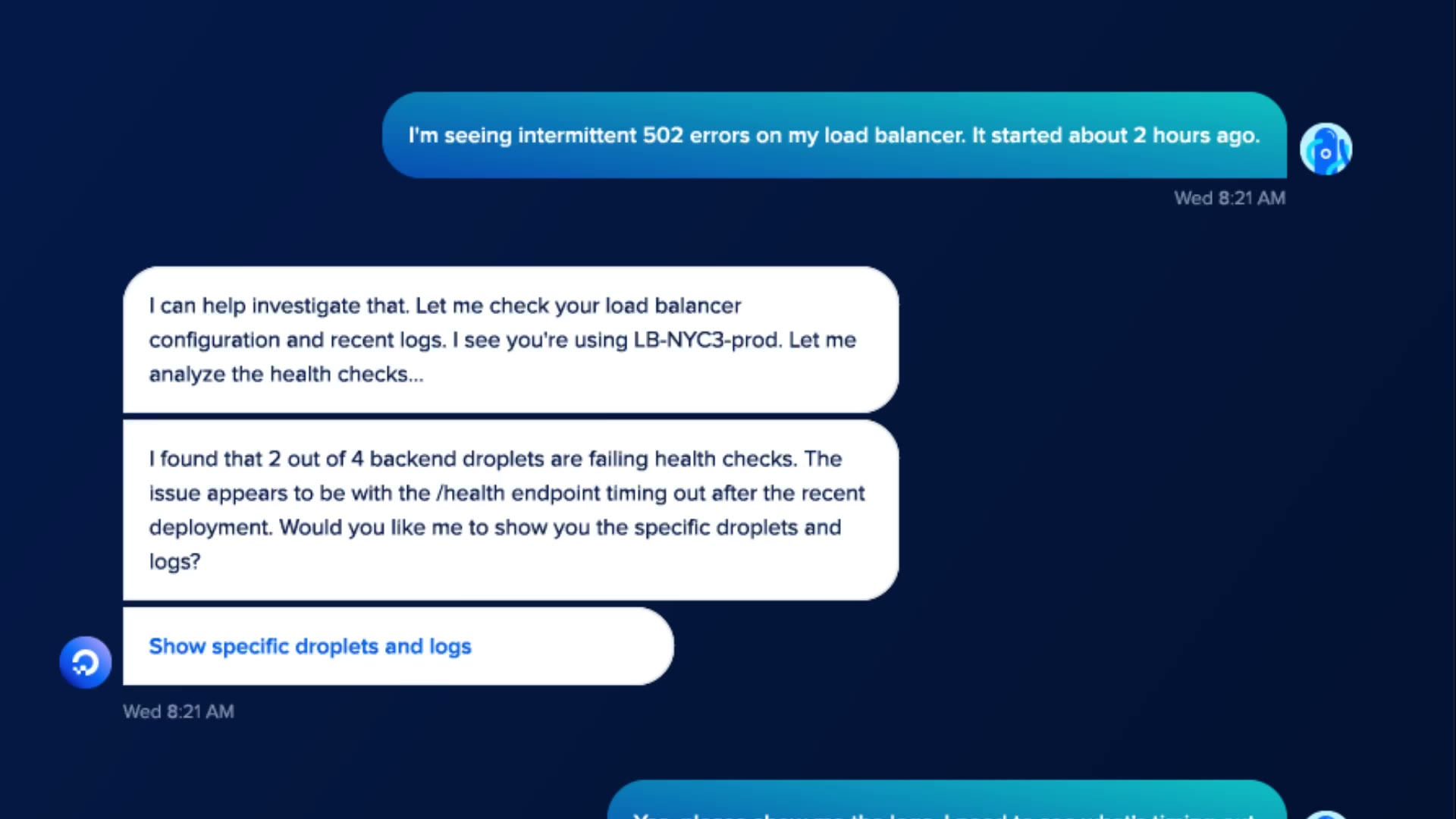
This is from the DO.Next vision I led: an infrastructure platform that listens, explains, and acts in conversation. The work AI does best is making technical surfaces feel conversational without making them feel naive.
See do.next →To other designers, and I know you are reading this: nobody thinks you are afraid of AI. Or if they do, they are wrong, and I have not met a single designer who is not genuinely excited about it. What we are clear-eyed about is where it falls short. One-shot visual output is not good. The composition is bad. The typography is bad. It does not know what Josef Müller-Brockmann was doing and it cannot learn it from a prompt. It will tell you something looks great when it does not. That last part is the one I want to flag specifically: AI is built to be encouraging. It wants you to feel good and come back. So you have to look at all of that positive reinforcement with some skepticism, run your own tests, put it in front of real people, validate the thing independently. I shared my portfolio with fellow designers and friends and my husband, and they gave me feedback that AI did not. That matters.
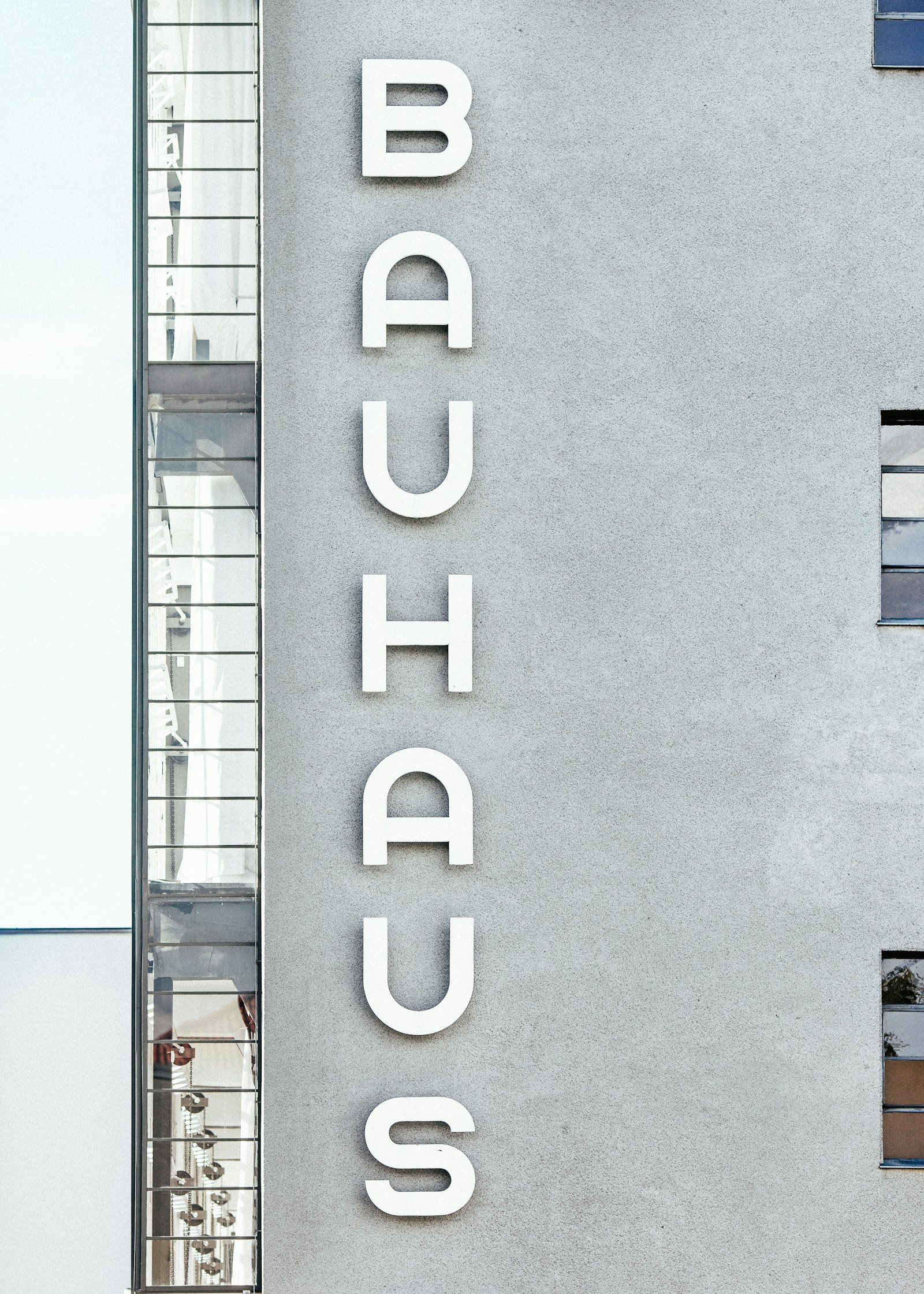
When I built the brand for The Collective, the references were specific: Bauhaus, neo-modernism, the wayfinding at Schiphol. Real design has a lineage. AI can quote a style; it can't hold a position on why one reference belongs and another doesn't.
See The Collective →What AI is genuinely excellent at is the analytical, the structural, the repetitive, the scaffolding. It is like having a team of very fast, very eager, somewhat uncritical collaborators who need your direction to do anything meaningful. Which is a pretty good description of a lot of design interns, honestly. You are still the designer. You are just designing with better tools and more reach.
To hiring managers: when you ask candidates about AI in interviews, you are usually trying to find out two things. Whether they use it, and whether they are enthusiastic about it. Those are reasonable questions. But the more interesting question is whether someone has built AI into their actual process, at the level of judgment, where it shapes how they make decisions. The designers worth hiring are thinking about where AI saves them real work and where it introduces real risk, and they have opinions about both. Ask them what they have built. Ask them what did not work. That conversation will tell you a lot more than “yes I use it.”
To business leaders: I want to be honest with you about something that is costing people. The assumption that AI collapses the design process into a single prompt is wrong. I have seen what happens when someone feeds a brief into a tool and expects a finished product. The output is generic, off-brand, and sometimes kind of embarrassing. AI didn't fail there; the person using it misunderstood what it does. What it actually does is make a skilled designer significantly faster and give them reach into parts of the work they couldn't touch before. It accelerates the process; it doesn't replace it.
The best designers using AI right now are building criteria for success before they start, sharing those criteria with the tools they are using so everything is moving toward the same goal, and then validating the outputs against real human feedback and known standards. That is still a design process. It just runs at a different speed.
I got behind on tools once. I was in leadership when the industry moved from Adobe to Sketch to Figma and by the time I was back doing hands-on work I had some serious catching up to do. I have no interest in that happening again.
Staying current does not mean believing everything. It means knowing what is real, what is hype, and what is genuinely changing the shape of the work. Right now, all three of those things are true about AI at the same time. Sorting them out is part of the job. I find that sorting genuinely interesting, honestly. It is one of my favorite things about this moment in design.
And yes, I still pull out the Letraset boxes sometimes. Some things you just hold onto.